
For homeowners in Al Shindagha, a malfunctioning cloth dryer can be more than a minor inconvenience—it can disrupt your daily routine, cause energy waste, and even pose safety risks. Modern dryers are complex appliances that combine heating elements, motors, sensors, and digital control systems. When something goes wrong, knowing how to diagnose problems and when to call a professional can save you time, money, and frustration.
Why Dryer Maintenance Matters
Cloth dryers are essential for quick, efficient laundry. However, without proper maintenance, even high-end models can develop problems. Regular servicing and timely repairs:
- Prevent major breakdowns by catching minor issues early.
- Increase efficiency, saving electricity and water indirectly.
- Reduce safety risks, such as overheating, fires, or electrical faults.
- Extend appliance lifespan, giving you better value for your investment.
Professional repair services in Al Shindagha provide thorough inspections, genuine parts, and skilled technicians to ensure your dryer operates reliably.
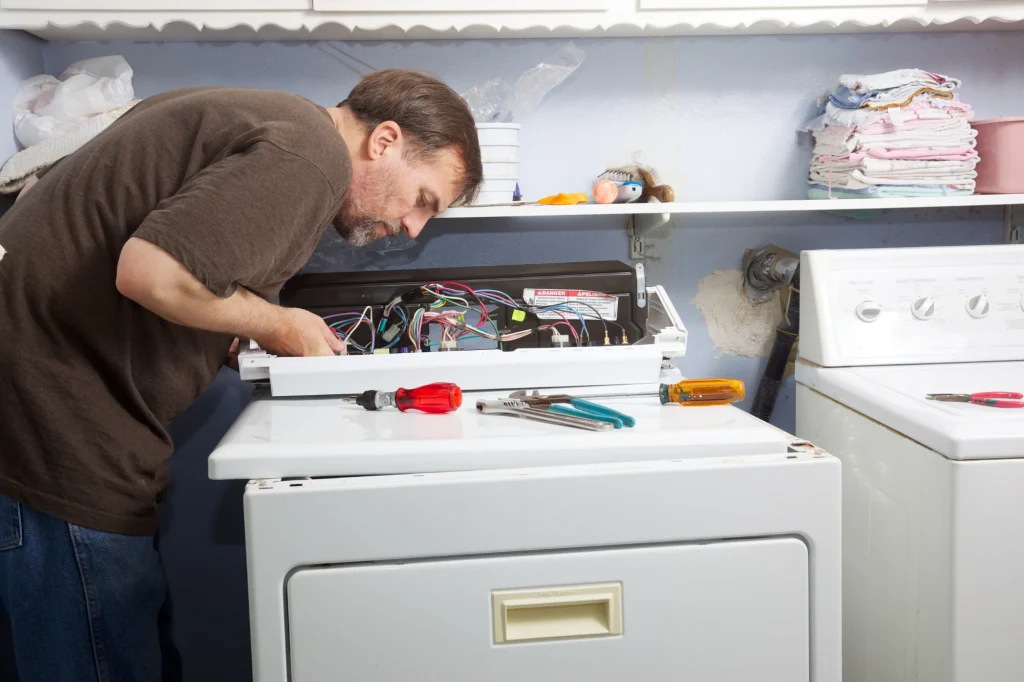
Common Cloth Dryer Pain Points – Al Shindagha Homeowners’ Guide
Cloth dryers are essential appliances in modern homes, providing convenience and efficiency by drying clothes quickly. However, like any electrical appliance, dryers can develop faults over time. Homeowners in Al Shindagha frequently encounter problems that affect performance, safety, and convenience. Understanding common dryer issues—and knowing when to call a professional—can save time, money, and prevent further damage.
Below are the most frequently reported cloth dryer problems, their typical causes, and professional solutions.
1. Dryer Not Starting
One of the most common complaints among homeowners is that the dryer refuses to start. This issue can be frustrating, especially when laundry piles up. Several factors may cause this problem:
- Faulty door latch or switch: Modern dryers are equipped with safety switches that prevent operation if the door isn’t securely closed. A worn latch or defective switch will prevent the dryer from powering on.
- Power supply issues: Tripped circuit breakers, blown fuses, or damaged power cords can interrupt the electrical flow, leaving the dryer unresponsive.
- Control board malfunction: The electronic control board is essentially the “brain” of the dryer. If it fails, the dryer may not respond to any commands, rendering it inoperable.
- Blown thermal fuse: Thermal fuses act as safety devices to prevent overheating. Once triggered, they cut off power to the dryer and need professional replacement.
Professional solution: A certified technician inspects all electrical components, tests the fuses and switches, and safely repairs or replaces defective parts. This ensures your dryer is fully functional and safe to use.
2. Poor Drying Performance
Another common issue homeowners face is clothes coming out damp or partially dry, even after a complete cycle. This affects not only convenience but also energy efficiency. Common causes include:
- Clogged lint filter: Lint accumulation restricts airflow, reducing drying efficiency and increasing cycle times.
- Blocked vent hose: If the vent hose is obstructed, hot air cannot circulate properly, preventing effective drying.
- Faulty heating element: Without sufficient heat, the dryer cannot remove moisture from clothes. A worn or burnt heating element can result in poor performance.
- Malfunctioning thermostat or moisture sensor: Dryers rely on thermostats and moisture sensors to regulate temperature and cycle duration. Faulty sensors may stop the cycle prematurely or prevent the dryer from heating properly.
Professional solution: Technicians clean vents, inspect and test the heating element, and replace defective thermostats or sensors. This restores the dryer’s efficiency, ensuring clothes are fully dried without wasting energy.
3. Unusual Noises
A dryer should operate quietly during a cycle. Grinding, rattling, squeaking, or thumping noises are signs that something is wrong internally. Common causes include:
- Worn drum rollers or bearings: Drum rollers support the rotation of the drum. Over time, these components can wear out, causing friction and loud noises.
- Foreign objects stuck inside the drum: Coins, buttons, or small objects left in pockets may fall into the drum or drum supports, creating rattling or grinding sounds.
- Loose belts or pulleys: Belts and pulleys drive the drum’s rotation. If they become loose or worn, the dryer may make squeaking or thumping noises.
Professional solution: A certified technician carefully disassembles the dryer, identifies the exact source of the noise, and replaces or repairs mechanical components. Proper lubrication of moving parts also ensures smooth, quiet operation.
4. Overheating
Overheating is a serious problem that can damage clothes, trip safety shutoffs, or even pose a fire hazard. Typical causes include:
- Blocked vents or filters: Poor airflow prevents hot air from escaping, leading to excessive heat buildup inside the dryer.
- Malfunctioning thermostat or thermal fuse: These components regulate temperature. If faulty, they may fail to shut off the dryer when it becomes too hot.
- Heating element short-circuit: Electrical faults in the heating element can generate uncontrolled heat, potentially damaging the appliance.
Professional solution: Technicians inspect vent systems, filters, thermostats, and the heating element. They clean or replace clogged or defective components, ensuring that the dryer operates safely and efficiently. Regular maintenance also prevents recurring overheating issues.
5. Drum Not Spinning
A dryer drum that fails to rotate prevents proper drying, as clothes remain in one position and do not circulate through the hot air. Common causes include:
- Broken drive belt: The belt connects the motor to the drum. Over time, it can snap or loosen, preventing the drum from turning.
- Faulty motor or motor coupling: The motor powers the drum. If it fails, the drum will not spin even if the dryer powers on.
- Obstructed drum rollers: Dirt, debris, or worn rollers can block drum rotation and cause friction or loud noises.
Professional solution: Technicians replace worn belts, repair or replace faulty motors, and lubricate drum rollers as necessary. This restores smooth operation and ensures clothes tumble properly throughout the drying cycle.
Why Professional Dryer Repair Matters
While some minor maintenance, like cleaning lint filters, can be done at home, most dryer repairs require specialized knowledge and tools. Attempting to fix electrical or mechanical components without expertise can:
- Void warranties
- Cause further damage
- Create safety hazards, including electrical shock or fire risk
Certified dryer repair technicians in Al Shindagha have the training, experience, and parts to restore your dryer safely and efficiently. They also provide preventive maintenance tips to reduce future breakdowns, extend the appliance’s lifespan, and improve energy efficiency.
Preventive Tips for Homeowners
To minimize dryer problems and avoid costly repairs:
- Clean the lint filter after every cycle to maintain airflow.
- Inspect and clean vent hoses regularly to prevent blockages.
- Check for unusual noises or vibrations and address them promptly.
- Avoid overloading the dryer, as it strains the motor and drum.
- Schedule professional servicing annually to catch minor issues early.
Following these steps ensures your dryer remains efficient, safe, and reliable.
How Long Does Dryer Repair Take?
Repair duration varies by issue:
- Minor repairs (belt replacement, lint cleaning, sensor adjustment): 1–2 hours
- Major repairs (motor replacement, control board repair): 2–5 hours, depending on parts availability
Technicians can provide estimated timelines during inspection.
Cloth Dryer Error Codes – A Complete Guide for Homeowners in Al Shindagha
Modern cloth dryers have evolved into highly efficient appliances, combining electrical components, motors, heating elements, sensors, and digital control systems. While these features make drying clothes faster and more convenient, they also introduce complexity. A minor fault can trigger an error code, alerting the user to a specific issue. Understanding these codes—and knowing how to act on them—can save homeowners in Al Shindagha significant time, money, and potential damage to the appliance.
This guide explores the most common dryer error codes, their meanings, possible causes, and professional solutions, helping homeowners make informed decisions about Cloth Dryer Repair in Al Shindagha.
Why Error Codes Matter
Error codes are a diagnostic tool built into modern dryers to prevent further damage, ensure safety, and maintain appliance efficiency. When a dryer displays an error, it is essentially signaling a mechanical or electrical issue that requires attention. Ignoring these codes can:
- Cause more severe mechanical or electrical failures.
- Lead to safety hazards such as overheating or fire.
- Void the manufacturer’s warranty.
- Reduce drying performance and increase energy costs.
By recognizing and addressing error codes promptly, homeowners can prevent small issues from escalating into costly repairs. Certified dryer repair technicians in Al Shindagha are trained to interpret these codes accurately and provide safe, effective solutions.
Common Cloth Dryer Error Codes
Below is a detailed look at the most frequently encountered error codes, their meanings, potential causes, and professional remedies.
E1 – Door Not Closed
Meaning:
The dryer will not start because the door is not securely closed.
Possible Causes:
- Faulty door switch or latch.
- Misaligned door.
- Obstructions preventing the door from fully closing.
Professional Solution:
A certified technician will inspect the door switch, test its functionality, and replace it if defective. They also check the alignment of the door and remove any obstructions. Proper repair ensures the dryer only operates when safe, preventing accidental operation that could harm clothes or the appliance.
Impact if Ignored:
Trying to force the dryer to operate with a faulty door switch can damage the control board or safety mechanisms, leading to more expensive repairs.
E2 – Overheating
Meaning:
The dryer is detecting excessive internal heat, which can damage clothing and pose fire hazards.
Possible Causes:
- Blocked or clogged vent hoses restricting airflow.
- Dirty or clogged lint filters.
- Faulty thermostat or thermal fuse.
- Overloaded dryer causing excessive heat buildup.
Professional Solution:
Technicians clean vents and lint filters, inspect airflow, and replace faulty thermostats or thermal fuses. They also check for electrical faults in the heating system. Regular preventive maintenance can significantly reduce the occurrence of overheating errors.
Impact if Ignored:
Ignoring overheating codes can lead to permanent damage to the heating element, burnt clothing, and potential fire hazards in the home.
E3 – Motor Error
Meaning:
The dryer’s motor is malfunctioning or obstructed, preventing the drum from rotating properly.
Possible Causes:
- Worn or damaged motor bearings.
- Blocked drum rollers or obstructions inside the drum.
- Electrical faults in the motor circuit.
Professional Solution:
Certified technicians disassemble the dryer to inspect the motor and drum system. They remove any obstructions, replace worn bearings, and repair or replace the motor if necessary. This ensures smooth drum rotation, proper airflow, and effective drying performance.
Impact if Ignored:
Continued use with a faulty motor can cause belt breakage, overheating, and damage to surrounding components, making the repair more expensive and time-consuming.
E4 – Water Sensor Fault (Condenser Dryers)
Meaning:
The dryer’s water sensor is detecting an anomaly or malfunction, typically in condenser models that collect water during drying cycles.
Possible Causes:
- Malfunctioning water or moisture sensors.
- Calibration issues due to electrical faults.
- Blocked sensor pathways preventing accurate readings.
Professional Solution:
Technicians test and recalibrate the water sensors. If the sensor is defective, they replace it with a genuine part to ensure accurate water detection, proper drying cycles, and energy efficiency.
Impact if Ignored:
A faulty sensor can lead to clothes being over-dried or under-dried, wasted electricity, and potential water leaks in condenser dryers.
E5 – Heating Element Fault
Meaning:
The heating element is not functioning properly, preventing the dryer from generating sufficient heat.
Possible Causes:
- Burnt or broken heating element.
- Electrical faults in the heating circuit.
- Limescale or debris buildup affecting element performance.
Professional Solution:
Certified technicians test the heating element using specialized tools, clean any debris or limescale, and replace the element if necessary. They also check electrical connections to ensure safe operation. Restoring the heating element guarantees effective drying and prevents prolonged drying times that increase energy bills.
Impact if Ignored:
Continuing to use a dryer with a faulty heating element can cause poor drying, overheating of other components, and increased energy consumption.
DIY vs. Professional Repair
While some minor maintenance tasks—like cleaning the lint filter or vent hose—can be handled by homeowners, most error codes require professional intervention. Attempting DIY repair can:
- Void warranties
- Cause electrical hazards
- Lead to misdiagnosis, resulting in further damage
- Increase long-term repair costs
Certified technicians in Al Shindagha have the training, tools, and access to genuine spare parts to fix these issues safely and efficiently.
Tips for Homeowners
To reduce the likelihood of error codes and prolong the lifespan of your dryer:
- Clean lint filters after every cycle to maintain airflow.
- Inspect and clean vent hoses regularly to prevent blockages.
- Avoid overloading the dryer to reduce strain on the motor and heating element.
- Schedule annual professional maintenance to identify minor issues before they become major problems.
- Monitor error codes immediately and call a certified technician instead of attempting risky DIY repairs.
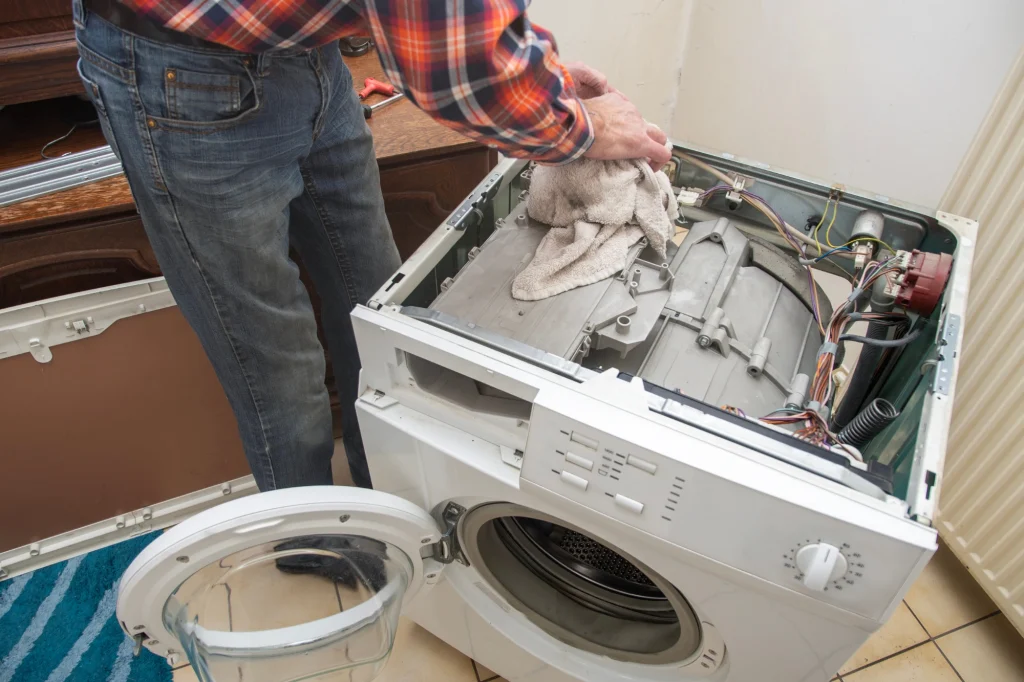
Is It Better to Repair or Replace a Dryer?
Consider the following:
- Repair if the dryer is under 10 years old and the cost is reasonable.
- Replace if the appliance is older, repeatedly breaking down, or requires expensive parts.
Certified technicians can advise based on your dryer’s model, age, and repair costs.
Cloth Dryer Repair FAQs – Al Shindagha
Q1: Can I use my dryer with an error code?
No. Error codes indicate a fault, such as electrical issues, overheating, or motor problems. Using the dryer can worsen damage and create safety hazards. Stop using it immediately and call a certified technician in Al Shindagha for inspection.
Q2: How much does dryer repair cost in Al Shindagha?
Repair costs vary depending on the issue and model. Minor fixes like switches or vents are usually affordable, while motor or control board replacements are costlier. Technicians provide accurate quotes after diagnosing the problem.
Q3: Do you repair all dryer types?
Yes. Services cover vented dryers, condenser dryers, and heat pump models. Technicians are trained to handle each type’s specific components, ensuring safe and reliable repairs for all household dryers.
Q4: How can I prevent my dryer from breaking down?
Regular maintenance is key. Clean lint filters after every use, inspect and clear vent hoses, avoid overloading, and schedule annual professional servicing to catch minor issues early and maintain efficiency.
Q5: Are same-day dryer repair services available in Al Shindagha?
Yes. Many providers offer same-day or next-day appointments for urgent repairs. Technicians arrive with common spare parts to ensure fast, efficient, and reliable service, minimizing downtime.
Call to Action
A malfunctioning dryer doesn’t have to disrupt your life. For Cloth Dryer Repair in Al Shindagha, our certified technicians provide fast, reliable, and affordable service. Whether it’s a minor fix or a major repair, we handle all makes and models with genuine parts and professional care.
Don’t risk water leaks, electrical hazards, or further mechanical damage. Call us today to schedule your inspection or same-day repair. Keep your laundry routine smooth, your appliance safe, and your home efficient with expert dryer repair in Al Shindagha.