
Modern kitchens rely heavily on cooking ranges to prepare daily meals efficiently and safely. Whether you are baking, grilling, frying, or simmering, the cooking range is the heart of every household kitchen. In Meadows homes, where families depend on reliable appliances for everyday cooking, a malfunctioning cooking range can quickly disrupt daily routines.
Professional Cooking Range Repair Meadows services ensure that faulty appliances are restored quickly, safely, and efficiently. From ignition failures and uneven heating to gas leaks and electrical faults, trained technicians diagnose and resolve problems before they escalate into costly replacements or safety hazards.
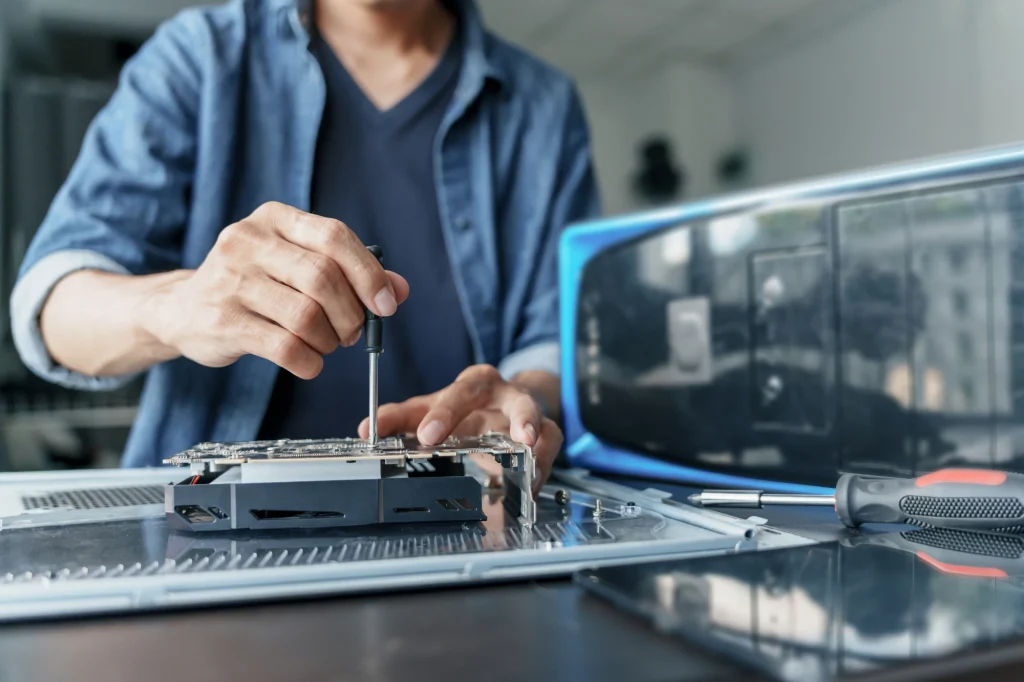
Importance of Cooking Ranges in Meadows Homes
Cooking ranges combine multiple cooking functions in one appliance. They typically include a stovetop with burners and an oven for baking or roasting. Modern cooking ranges come with advanced technologies designed to improve convenience, efficiency, and safety.
Key features found in modern cooking ranges include:
Multiple gas or electric burners
Allow simultaneous cooking of different dishes.
Digital temperature control systems
Provide precise heat management for baking and roasting.
Automatic ignition systems
Eliminate the need for manual lighters or matches.
Safety shut-off mechanisms
Prevent gas leaks or overheating.
Self-cleaning ovens
Reduce the need for manual scrubbing.
Energy-efficient heating elements
Minimize electricity or gas consumption.
While these features improve functionality, they also increase the complexity of the appliance. Mechanical wear, electrical faults, or poor maintenance can lead to operational problems.
Professional Cooking Range Repair Meadows services help homeowners maintain the safety and efficiency of their kitchen appliances while preventing interruptions in everyday cooking.
Common Cooking Range Pain Points in Meadows Homes
Cooking ranges operate under constant heat and frequent daily use, which makes them vulnerable to both mechanical and electrical problems over time. In busy households across Meadows, cooking ranges are used multiple times a day for preparing meals, boiling water, baking, and frying. Continuous exposure to heat, grease, and food debris can gradually affect the internal components of the appliance. If these issues are ignored, they can escalate into serious malfunctions, safety hazards, or costly replacements.
Understanding the most common cooking range problems can help homeowners identify early warning signs and seek timely professional help. Early detection allows technicians to resolve issues before they affect other parts of the appliance.
Below are the most common pain points experienced by homeowners that often require professional Cooking Range Repair Meadows services
1. Burner Ignition Failure
One of the most frustrating problems with gas cooking ranges is when the burner fails to ignite. A burner that does not light properly can disrupt meal preparation and create inconvenience in the kitchen.
Symptoms
• Burner fails to ignite when turned on
• Clicking sound continues without producing a flame
• Flame appears weak or inconsistent
• Ignition works only after several attempts
Causes
Ignition failure can occur due to several underlying issues. Dirty burner ports are a common cause because grease and food particles block the flow of gas. Moisture from cooking spills can also affect the ignition system and interfere with the spark.
Other possible causes include:
• Faulty spark module
• Worn ignition switches
• Damaged ignition electrodes
• Clogged burner openings
Impact
When ignition problems occur, cooking becomes slow and inconvenient. Continuous clicking from the igniter can also cause additional wear on internal components. Over time, the ignition system may completely fail, making the burner unusable.
Professional Solution
Technicians providing Cooking Range Repair Meadows services carefully clean burner ports, test ignition components, replace defective spark modules, and restore proper burner functionality.
2. Uneven Cooking or Heating
Uneven heating is another common complaint among homeowners using cooking ranges. When heat distribution is inconsistent, food may cook unevenly, resulting in poor cooking results.
Symptoms
• Food burns on one side while remaining undercooked on the other
• Some burners produce stronger heat than others
• Oven temperatures fluctuate during cooking
• Baking results become unreliable
Causes
Uneven heating often results from internal component failures. Heating elements may become damaged over time due to continuous exposure to high temperatures. A malfunctioning thermostat or temperature sensor can also cause inaccurate temperature readings.
Other possible causes include:
• Blocked airflow inside the oven
• Damaged burner caps or elements
• Faulty oven fans
• Improper burner alignment
Impact
Uneven heating leads to wasted food, longer cooking times, and frustration during meal preparation. It also forces the appliance to work harder, increasing energy consumption.
Professional Repair
Experienced Cooking Range Repair Meadows technicians diagnose heating problems, replace damaged elements, repair sensors, and calibrate thermostats to restore consistent heat distribution.
3. Gas Leaks and Safety Risks
Gas cooking ranges must operate safely at all times. A gas leak is one of the most serious problems that can occur in a kitchen appliance.
Symptoms
• Strong gas smell in the kitchen
• Hissing sounds near the burners
• Burner flames appearing yellow instead of blue
• Flames flickering or burning irregularly
Causes
Gas leaks usually occur due to worn-out or damaged components. Over time, gas connections may loosen, and seals around burners may deteriorate.
Common causes include:
• Loose gas pipe connections
• Damaged gas valves
• Worn burner seals
• Faulty pressure regulators
Risks
Gas leaks present severe safety hazards. Accumulated gas can lead to fires or explosions if exposed to an ignition source. In addition, gas leaks may release carbon monoxide, which is harmful to health.
Professional Solution
Certified Cooking Range Repair Meadows technicians inspect gas lines, tighten connections, replace faulty valves, and ensure that the appliance operates safely without any leakage.
4. Oven Not Heating Properly
An oven that does not heat correctly can disrupt cooking routines, especially for baking or roasting.
Symptoms
• Oven fails to reach the selected temperature
• Cooking takes longer than usual
• Food remains undercooked or unevenly baked
• Oven shuts off unexpectedly
Causes
Oven heating issues often occur due to component failures. Heating elements can burn out over time, and thermostats may lose calibration.
Other causes include:
• Broken temperature sensors
• Faulty control boards
• Damaged heating coils
• Electrical wiring problems
Impact
Poor oven performance leads to inconsistent cooking results and longer preparation times. In some cases, the oven may stop working completely.
Professional Repair
Technicians providing Cooking Range Repair Meadows services replace defective heating components, recalibrate thermostats, and repair control systems to restore proper oven performance.
5. Cooking Range Producing Unusual Noises
Cooking ranges should operate quietly. If unusual noises occur during operation, they may indicate mechanical problems.
Symptoms
• Clicking sounds continuing after ignition
• Buzzing or humming from internal components
• Rattling noises while the appliance is running
Causes
Unusual noises often occur due to worn-out or loose components. Ignition modules, fans, or internal panels may become loose with regular use.
Other possible causes include:
• Faulty ignition switches
• Loose internal fittings
• Worn oven fan motors
Professional Solution
Repair specialists inspect internal components, tighten loose parts, and replace faulty modules to restore quiet and smooth operation.
6. Control Panel Malfunctions
Modern cooking ranges feature digital displays and electronic control panels that regulate cooking functions. When the control panel malfunctions, the appliance may become difficult or impossible to operate.
Symptoms
• Control buttons not responding
• Display screen showing error messages
• Oven failing to start
• Temperature settings not adjusting
Causes
Control panel problems are usually linked to electrical faults or damaged circuitry.
Common causes include:
• Power surges affecting internal electronics
• Faulty circuit boards
• Damaged wiring connections
• Moisture entering the control panel
Professional Solution
Experienced Cooking Range Repair Meadows technicians diagnose electrical issues, repair wiring, and replace damaged circuit boards to restore full appliance functionality.
7. Excessive Energy Consumption
Cooking ranges with malfunctioning components may consume more electricity or gas than usual.
Symptoms
• Noticeably higher monthly energy bills
• Cooking times longer than normal
• Appliance running continuously
Causes
Energy inefficiency can result from:
• Faulty thermostats
• Damaged heating elements
• Poor insulation inside the oven
• Burners not distributing heat efficiently
Professional Repair
Technicians inspect heating systems, replace faulty components, and calibrate temperature controls to improve appliance efficiency and reduce energy consumption.
8. Broken Oven Door or Seal
The oven door is essential for maintaining consistent cooking temperatures. If the door does not close properly, heat can escape.
Symptoms
• Oven heat escaping from the door
• Door not sealing tightly
• Visible damage to the rubber gasket
Impact
Heat loss forces the oven to work harder to maintain temperature. This increases energy consumption and prolongs cooking times.
Solution
Professional Cooking Range Repair Meadows services replace damaged door seals, repair hinges, and ensure that the oven door closes securely.
9. Electrical Short Circuits
Electric cooking ranges contain multiple electrical components that can fail due to wear or damage.
Symptoms
• Appliance tripping circuit breakers
• Burning smell coming from the range
• Range shutting off unexpectedly
Causes
Electrical faults may occur due to:
• Damaged wiring
• Faulty heating elements
• Control board failures
Professional Solution
Certified technicians perform thorough electrical diagnostics, repair wiring issues, and replace defective components to ensure safe appliance operation.
When Should You Replace Instead of Repair?
Although repairs are usually cost-effective, replacement may be necessary in certain situations.
Replacement may be recommended when:
• The appliance is more than 12–15 years old
• Repair costs exceed half the price of a new unit
• Multiple components fail simultaneously
• Replacement parts are no longer available
Professional technicians can assess whether repair or replacement is the best option.
Common Cooking Range Error Codes
Modern cooking ranges are equipped with advanced electronic systems that help monitor appliance performance. These systems include built-in diagnostic technology designed to detect faults and display error codes when something goes wrong. Instead of leaving homeowners guessing about the problem, these error codes act as warning signals that indicate which part of the appliance requires attention.
For homeowners, understanding these codes is extremely useful because they help identify issues early before they develop into major appliance failures. Ignoring error codes can lead to overheating, inefficient cooking, increased energy consumption, and even safety risks.
Professional Cooking Range Repair Meadows technicians use these codes as the first step in diagnosing faults. After identifying the error, they conduct a detailed inspection of the affected components and perform the necessary repairs.
Below are some of the most common cooking range error codes, along with their meanings, symptoms, causes, impacts, and professional solutions.
E1 – Temperature Sensor Error
Meaning
The E1 error code indicates a malfunction in the oven’s temperature sensor. This sensor plays a critical role in regulating the internal temperature of the oven. It constantly monitors heat levels and sends information to the control board so the oven can maintain the correct cooking temperature.
When the temperature sensor fails or provides inaccurate readings, the oven cannot properly regulate heat.
Symptoms
Homeowners may notice several warning signs when the E1 error appears, including:
• Oven overheating during cooking
• Food burning quickly even at low temperatures
• Inconsistent or fluctuating cooking temperatures
• Baking results becoming unreliable
• Error message appearing on the control panel
Possible Causes
Several factors can lead to temperature sensor failure:
• Worn or damaged temperature sensor
• Loose wiring connections between the sensor and control board
• Electrical faults within the sensor circuit
• Sensor coated with grease or food residue
• Control board miscommunication
Impact if Ignored
If the E1 error is ignored, the oven may continue to operate with inaccurate temperature readings. This can cause serious cooking issues such as undercooked or burnt food. In extreme cases, overheating may damage internal components or create safety risks.
Continuous overheating also places stress on heating elements and internal wiring, which can shorten the lifespan of the appliance.
Professional Solution
Technicians providing Cooking Range Repair Meadows services diagnose the sensor using specialized testing equipment. They inspect wiring connections, clean the sensor if necessary, and replace it if it is defective. After installation, the oven temperature system is recalibrated to ensure accurate heat regulation.
E2 – Heating Element Failure
Meaning
The E2 error code signals a problem with the oven’s heating element. Heating elements are responsible for generating the heat required for baking, roasting, and grilling. When the element becomes damaged or worn out, the oven cannot produce sufficient heat.
Symptoms
Homeowners may observe the following symptoms when this error occurs:
• Oven not heating at all
• Slow cooking or baking times
• Food remaining undercooked
• Oven struggling to reach the set temperature
• Visible damage or burn marks on heating elements
Possible Causes
Heating elements can fail for several reasons:
• Long-term wear due to continuous exposure to high temperatures
• Electrical short circuits
• Power surges damaging internal components
• Physical damage caused by heavy cookware
• Loose wiring connections
Impact if Ignored
If the heating element is not repaired promptly, the oven may stop functioning completely. Cooking tasks such as baking, roasting, or broiling become impossible.
In addition, a damaged heating element may create uneven heat distribution, causing food to cook improperly. Continued use of a faulty element may also damage other electrical components inside the appliance.
Professional Solution
Professional Cooking Range Repair Meadows technicians carefully inspect the heating element and surrounding wiring. If the element is burned out or damaged, it is replaced with a compatible component. After replacement, technicians test the oven to confirm that it reaches and maintains the correct temperature.
E3 – Ignition System Fault
Meaning
The E3 error code indicates a malfunction in the burner ignition system. In gas cooking ranges, the ignition system creates a spark that ignites the gas and produces a flame.
When this system fails, the burners may not ignite properly.
Symptoms
Common symptoms associated with the E3 error include:
• Burner clicking continuously without producing a flame
• Burners failing to ignite when turned on
• Flame appearing after several attempts
• Weak or unstable flame
Possible Causes
Ignition system problems often occur due to:
• Faulty spark modules
• Damaged ignition switches
• Moisture affecting ignition components
• Grease or food debris blocking burner ports
• Worn ignition electrodes
Impact if Ignored
Ignoring ignition faults can lead to cooking disruptions and safety risks. Continuous clicking from the igniter may damage internal electrical components over time. Additionally, unburned gas may accumulate if the burner fails to ignite, increasing the risk of gas buildup.
Professional Solution
Technicians providing Cooking Range Repair Meadows services inspect ignition modules, burner ports, and wiring connections. They clean blocked burner openings, repair wiring issues, and replace faulty spark modules or ignition switches to restore proper burner operation.
E4 – Control Board Error
Meaning
The E4 error code indicates a malfunction in the cooking range’s main control board, also known as the PCB (Printed Circuit Board). The control board is the central system that manages appliance functions, including temperature control, ignition, timers, and digital displays.
When the control board fails, the cooking range may not operate correctly.
Symptoms
Homeowners may experience several signs of a control board problem:
• Appliance not responding to commands
• Display panel showing random or incorrect information
• Oven or burners failing to start
• Control panel freezing or shutting down unexpectedly
Possible Causes
Control board issues can result from:
• Electrical power surges
• Damaged circuit components
• Moisture entering the control panel
• Overheating of electronic components
• Faulty connections between sensors and the board
Impact if Ignored
A malfunctioning control board can affect the entire appliance. The cooking range may become unreliable or stop working completely. Since the control board manages communication between various components, other systems such as heating elements, sensors, and ignition modules may also malfunction.
Ignoring this error can lead to more extensive damage and higher repair costs.
Professional Solution
Certified Cooking Range Repair Meadows technicians test the control board and connected components using advanced diagnostic tools. If the board is damaged beyond repair, it is replaced with a compatible unit. Technicians then verify that all systems—including burners, sensors, and heating elements—are communicating properly.

Importance of Addressing Error Codes Quickly
Error codes are designed to alert homeowners about developing appliance problems. Addressing these warnings promptly can prevent serious damage and ensure safe appliance operation.
Timely repairs provide several benefits:
• Prevent major appliance breakdowns
• Improve cooking performance and temperature accuracy
• Reduce energy consumption
• Maintain appliance safety
• Extend the lifespan of the cooking range
Professional Cooking Range Repair Meadows services ensure that these issues are handled safely and effectively. Certified technicians have the expertise and tools required to diagnose error codes accurately and perform lasting repairs.
By responding to error codes quickly and scheduling professional maintenance when necessary, homeowners can keep their cooking ranges operating efficiently while maintaining a safe and reliable kitchen environment.
Benefits of Timely Cooking Range Repair
Ignoring minor faults can lead to serious problems.
Timely Cooking Range Repair Meadows provides several benefits:
• Prevents appliance breakdowns
• Ensures kitchen safety
• Improves cooking efficiency
• Reduces energy consumption
• Extends appliance lifespan
Professional servicing ensures your cooking range continues operating at peak performance.
Frequently Asked Questions
How long does cooking range repair take?
Most minor repairs, such as burner cleaning or ignition replacement, take 1–2 hours. Complex repairs involving control boards or heating elements may take 3–4 hours or longer, depending on parts availability.
Is it safe to repair a cooking range myself?
DIY repairs are not recommended because cooking ranges involve gas connections and electrical components. Professional Cooking Range Repair Meadows technicians ensure safe and accurate repairs.
Why does my burner keep clicking?
Continuous clicking usually indicates moisture or debris affecting the ignition system. Cleaning the burner or replacing the spark module often resolves the issue.
Why is my oven cooking unevenly?
Uneven cooking is often caused by faulty heating elements, blocked airflow, or a malfunctioning thermostat.
How often should cooking ranges be serviced?
Professional servicing once a year helps maintain efficiency, prevent breakdowns, and extend appliance lifespan.
Call to Action
A malfunctioning cooking range can disrupt daily cooking routines and create serious safety risks. Whether you are dealing with ignition problems, uneven heating, gas leaks, or electrical faults, professional Cooking Range Repair Meadows services provide the expertise needed to restore your appliance quickly and safely.
Expert technicians offer:
• Accurate diagnostics
• Fast on-site repairs
• Genuine spare parts
• Safe gas and electrical handling
• Long-lasting solutions
Don’t let a faulty cooking range interrupt your kitchen routine. Contact trusted Cooking Range Repair Meadows specialists today and restore comfort, safety, and efficiency to your home kitchen.