
Modern kitchens rely heavily on appliances that simplify cooking, save time, and maintain food quality. Among these, the cooking range is arguably the centerpiece of meal preparation. Whether you are baking, roasting, or boiling, a properly functioning cooking range is essential for a smooth culinary experience. Residents and businesses in Serena know that even minor malfunctions can disrupt daily routines, increase electricity usage, or pose safety risks.

Why Cooking Range Maintenance Matters in Serena
Cooking ranges integrate electrical, gas, and mechanical systems. This complexity makes them susceptible to faults if not maintained properly. Ignoring minor issues can lead to:
- Uneven heating and inconsistent cooking results
- Gas leaks or electrical hazards
- High energy consumption
- Complete appliance failure requiring expensive replacement
In Serena, where households and commercial kitchens rely on reliable appliances, professional Cooking range Repair Serena services are critical. Certified technicians provide fast, safe, and long-lasting repairs using genuine components.
Common Cooking Range Pain Points in Serena
Cooking ranges are essential appliances in every modern kitchen. Whether it’s for daily family meals or professional cooking, homeowners and chefs depend on them for consistent, reliable performance. However, frequent use, accidental damage, or natural wear and tear can lead to operational issues. In Serena, where kitchens are central to daily life, understanding common cooking range problems is crucial to avoid disruptions, safety hazards, and costly repairs. Below is a detailed overview of the most frequent pain points that cooking range owners face and how professional Cooking range Repair Serena services can help.
1. Cooking Range Not Heating Properly
One of the most common problems homeowners experience is a cooking range that fails to heat correctly. This issue affects both the stovetop burners and the oven.
Symptoms:
- Burners fail to ignite
- Oven does not reach the desired temperature
- Uneven heat distribution across cooking surfaces
Causes:
- Faulty heating elements that no longer generate adequate heat
- Broken thermostats that misread temperature levels
- Malfunctioning control boards that fail to regulate the heating system
Impact:
A cooking range that does not heat properly can cause meals to take longer than expected, leading to frustration, especially during busy mealtimes. Uneven cooking can ruin dishes, affect taste, and reduce the quality of baked or roasted food. In commercial kitchens, this problem can disrupt service schedules and reduce customer satisfaction.
Professional Solution:
Certified technicians from Cooking range Repair Serena inspect the heating system thoroughly, test thermostats, and replace faulty components. Using genuine parts ensures consistent heating, precise temperature control, and safe operation. Regular maintenance also prevents recurrence of this issue, extending the appliance’s lifespan.
2. Ignition or Gas Burner Issues
Gas burners are critical for precise cooking, but ignition problems are common, particularly in older or heavily used ranges.
Symptoms:
- Burners fail to ignite despite attempts
- Clicking sounds are heard without a flame
- Gas odors indicating possible leaks
Causes:
- Faulty igniters or spark electrodes that do not create a spark
- Malfunctioning gas valves restricting gas flow
- Blocked burner ports preventing gas from igniting
Impact:
Ignition issues can lead to cooking delays and force homeowners to rely on alternative methods, such as microwaves or countertop cookers. More importantly, gas leaks pose a serious safety risk, creating potential fire hazards if not addressed immediately.
Professional Solution:
Technicians repair or replace igniters, clean blocked burner ports, and test gas valves for safe operation. Using a certified Cooking range Repair Serena service ensures that ignition systems are safe, reliable, and efficient, giving homeowners peace of mind.
3. Oven Not Baking or Cooking Evenly
Oven performance is critical for baking, roasting, and meal preparation. Many users notice uneven cooking, which affects food quality.
Symptoms:
- Uneven baking results with hot or cold spots
- Food may be undercooked in some areas or burnt in others
- Longer preheating times than usual
Causes:
- Defective heating elements unable to distribute heat evenly
- Misaligned or broken oven sensors
- Faulty control board disrupting temperature regulation
Impact:
Uneven cooking results in wasted ingredients, inconsistent meal preparation, and stress for both home cooks and professional chefs. In commercial kitchens, poor oven performance can affect customer satisfaction and lead to higher operating costs.
Professional Solution:
Technicians inspect heating elements, recalibrate oven sensors, and ensure the control board is functioning correctly. Repairs restore precise temperature control, uniform cooking, and energy efficiency, allowing chefs to prepare meals reliably.
4. Control Panel or Display Malfunction
Modern cooking ranges feature electronic control panels that manage temperature, timers, and specialized cooking functions. When these fail, kitchen operations can be severely disrupted.
Symptoms:
- Buttons become unresponsive
- Digital displays flicker or remain blank
- Error codes appear without clear instructions
Causes:
- Faulty control boards affecting overall functionality
- Electrical shorts or wiring problems
- Moisture damage caused by spills or steam
Impact:
When controls fail, homeowners lose precise command over cooking functions, potentially compromising food quality. Unresponsive controls also increase safety risks and can lead to further internal damage if ignored.
Professional Solution:
Certified technicians inspect wiring, test the control board, and replace any faulty components. A full service restores control panel functionality, ensuring that your cooking range operates safely and efficiently.
5. Loud Noises During Operation
Cooking ranges are designed to operate quietly, but unusual noises can indicate underlying issues.
Symptoms:
- Buzzing, humming, or rattling sounds
- Vibrations from burners or the oven
Causes:
- Loose internal components vibrating during use
- Worn fan motors
- Misaligned burners or oven trays
Impact:
Excessive noise can be disruptive to household routines and indicates potential damage to critical components. Ignoring these symptoms may lead to larger mechanical failures and higher repair costs.
Professional Solution:
Technicians inspect moving parts, tighten loose components, and replace worn fan motors or trays. Early intervention restores quiet operation and prevents long-term damage.
6. Oven Door Problems
The oven door is essential for heat retention and energy efficiency. Malfunctions here can reduce cooking effectiveness and increase utility costs.
Symptoms:
- Door won’t close properly
- Oven loses heat during operation
- Difficulty opening or locking the door
Causes:
- Worn or broken door hinges
- Damaged gaskets or seals allowing heat escape
- Misaligned oven door
Impact:
A malfunctioning door results in uneven cooking, energy inefficiency, and potential safety hazards. In professional kitchens, this can slow meal preparation and affect customer service.
Professional Solution:
Technicians replace gaskets, repair hinges, and realign the door. Professional Cooking range Repair Serena ensures a secure, energy-efficient, and safe cooking environment.
Preventive Maintenance Tips
Proper maintenance prevents breakdowns and extends the lifespan of your cooking range:
- Clean burners, ignition systems, and drip trays regularly.
- Inspect electrical connections for wear or damage.
- Calibrate sensors annually for accurate temperature control.
- Avoid overloading oven trays to ensure proper heat circulation.
- Schedule professional maintenance with Cooking range Repair Serena technicians.
Understanding Cooking Range Error Codes
Modern cooking ranges are no longer simple stovetops and ovens—they are sophisticated appliances equipped with digital diagnostic systems. These systems monitor performance, detect faults, and display error codes when an issue arises. Understanding these codes is critical for homeowners and professional chefs alike. Prompt recognition of error codes can prevent minor issues from escalating into costly repairs, ensure kitchen safety, and maintain consistent cooking performance.
In Serena, where busy kitchens rely heavily on precision appliances, knowing what these error codes mean and how to address them is essential. Professional Cooking range Repair Serena technicians are trained to interpret these codes, identify root causes, and restore your appliance to optimal condition.
Why Error Codes Are Important
Cooking ranges integrate electrical, mechanical, and safety systems. When a fault occurs—whether due to a failing sensor, a malfunctioning heating element, or a control board issue—the appliance displays an error code to alert the user.
Ignoring these codes can lead to:
- Uneven cooking or undercooked food
- Increased energy consumption
- Potential gas leaks or electrical hazards
- Damage to internal components, such as burners, fans, or ovens
By understanding error codes, homeowners can take timely action, minimizing downtime and avoiding the frustration of failed meals or costly emergency repairs.
Common Cooking Range Error Codes
Below is a detailed guide to the most frequent cooking range error codes, their meanings, impacts, and professional solutions.
E01 – Control Board Malfunction
Meaning:
The E01 error code indicates a problem with the control board, which serves as the brain of the appliance. This malfunction can disrupt communication between various components.
Impact:
- Burners or oven fail to heat
- Buttons on the control panel become unresponsive
- Appliance may start erratically or shut down unexpectedly
Professional Solution:
Certified technicians inspect the control board for burnt components, loose connections, or short circuits. If necessary, the board is replaced with a genuine part to ensure full functionality. Timely repair restores appliance performance and prevents further electrical damage.
E02 – Temperature Sensor Failure
Meaning:
The E02 code signals a problem with the oven’s temperature sensor or thermistor. Accurate temperature monitoring is essential for proper cooking.
Impact:
- Oven may overheat or underheat
- Food may cook unevenly, burn, or remain undercooked
- Energy consumption increases due to inefficient heating
Professional Solution:
Technicians test the sensor using specialized tools. If defective, it is replaced, and the system is recalibrated to ensure precise temperature readings. Regular maintenance can also prevent sensor malfunctions and maintain consistent cooking performance.
E03 – Burner Ignition Failure
Meaning:
E03 indicates that a gas or electric burner has failed to ignite. This is a common issue in both residential and commercial kitchens.
Impact:
- Cooking delays disrupt meal preparation
- Gas hazards may occur if a leak is present
- Increased reliance on alternative cooking methods
Professional Solution:
Technicians clean burner ports to remove debris, inspect and repair igniters, and replace malfunctioning gas valves if necessary. Professional Cooking range Repair Serena ensures burners ignite safely and reliably, restoring full kitchen functionality.
E04 – Oven Door Sensor Error
Meaning:
The E04 code appears when the oven misreads the door status, preventing proper operation.
Impact:
- Oven may refuse to start
- Heat escapes if the door is not sealed correctly
- Uneven cooking due to temperature fluctuations
Professional Solution:
Technicians realign the oven door, replace sensors if defective, and ensure that gaskets or seals are intact. Proper door function restores energy efficiency, prevents heat loss, and protects food quality.
E05 – Heating Element Fault
Meaning:
E05 indicates that the heating element cannot reach the desired temperature, affecting oven and stovetop performance.
Impact:
- Cooking cycles may be incomplete or inefficient
- Electricity usage increases as the appliance works harder
- Baked or roasted food may be undercooked
Professional Solution:
Certified technicians inspect heating elements, check electrical connections, and replace worn or damaged components. Using genuine parts ensures the oven heats efficiently, maintains consistent cooking temperatures, and reduces energy costs.
E06 – Gas Leak Detection / Safety Trigger
Meaning:
The E06 code signals that the appliance’s safety system has detected a potential gas leak. This is a critical safety warning.
Impact:
- Immediate shutdown of the appliance
- Potential fire or explosion hazard if gas accumulates
- Cooking cannot continue until the issue is resolved
Professional Solution:
Technicians inspect the gas line for leaks, test sensors, and repair any faulty valves or connections. Ensuring proper safety measures prevents hazards and guarantees reliable operation. Never attempt to bypass gas safety mechanisms, as doing so can endanger lives.
E07 – Fan or Convection Motor Error
Meaning:
The E07 code indicates a malfunction in the fan or convection motor. Proper airflow is crucial for even cooking and oven performance.
Impact:
- Uneven cooking due to poor heat distribution
- Loud humming or grinding noises during operation
- Potential damage to internal components if the fan fails completely
Professional Solution:
Technicians inspect the fan assembly, remove obstructions, and test motor functionality. Worn or defective motors are replaced, restoring proper airflow and quiet operation. Timely intervention ensures even baking and extends the lifespan of the oven.
Why Professional Diagnostics Are Essential
While some minor faults can be addressed by homeowners, most error codes indicate deeper electrical or mechanical issues. Attempting repairs without proper expertise can lead to:
- Further damage to the appliance
- Safety risks from gas leaks or electrical faults
- Voided warranties
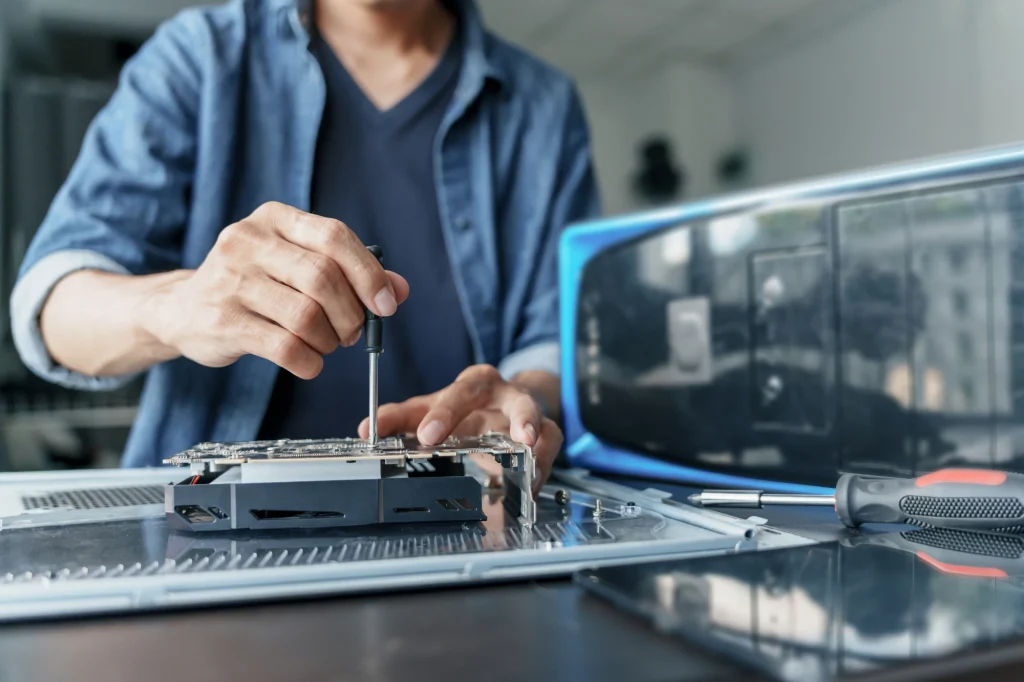
Certified Cooking range Repair Serena technicians use specialized diagnostic tools to accurately interpret error codes. They identify the root cause of each problem, replace components with genuine parts, and restore the range to full operational efficiency.
Common FAQs About Cooking Range Repair Serena
Q1: How long does a cooking range repair usually take?
Minor issues, such as replacing a faulty igniter, sensor, or cleaning burner ports, typically take around 1–2 hours. These are straightforward repairs that require minimal disassembly and simple component replacements. Major repairs, like control board replacement, fan motor repair, or burner replacement, are more time-consuming. Depending on the availability of genuine parts, these may take 3–5 hours or slightly longer. Certified technicians always provide an estimated repair time after a proper inspection.
Q2: Can I use the range if an error code appears?
It is not recommended to continue using a cooking range when an error code is displayed. Error codes indicate that a fault has been detected, which could worsen if the appliance is operated. Using the range with a malfunction may lead to uneven cooking, electrical damage, or even gas hazards. For safety and appliance longevity, it’s best to stop usage immediately. Contacting certified technicians ensures the problem is diagnosed and resolved properly.
Q3: Should I repair or replace my cooking range?
Repairing a cooking range is usually cost-effective if the appliance is under 8–10 years old and experiencing minor issues. Repairs such as sensor, igniter, or control board fixes can restore performance without the expense of a new unit. Replacement is advisable if the range frequently malfunctions, requires repeated repairs, or is nearing the end of its service life. Technicians can assess the condition of the appliance and advise whether repairing or replacing it is the smarter choice.
Q4: Do technicians provide a warranty?
Yes, professional cooking range repairs almost always include a warranty on parts and labor. Depending on the service provider, warranty periods can range from 30 days to 12 months. This ensures that if the same issue recurs within the coverage period, it will be addressed without extra cost. Warranties give homeowners confidence that the repair is reliable and that technicians stand behind their work. Always confirm warranty details before scheduling service.
Q5: Are genuine parts used in repairs?
Certified technicians use original manufacturer parts when performing repairs to guarantee reliability and longevity. Genuine components ensure that the appliance operates safely and efficiently, matching the performance standards of the original equipment. Using non-original parts can lead to recurring faults or reduced lifespan of the appliance. Homeowners benefit from consistent performance and fewer future repairs when genuine parts are installed. Always request confirmation of parts authenticity before repair.
Take an Action
A malfunctioning cooking range can disrupt your daily routine, increase energy costs, and even pose safety hazards. Professional Cooking range Repair Serena services ensure:
- Accurate diagnosis using error codes
- Safe and efficient repair of electrical, gas, and mechanical components
- Use of genuine parts to restore appliance reliability
- Long-term solutions that prevent recurring issues
By choosing certified repair services, homeowners and businesses in Serena can maintain a fully functional kitchen, protect their investment, and enjoy peace of mind knowing their cooking range is safe and reliable.
Don’t wait for a minor issue to turn into a major problem. Schedule your professional Cooking range Repair Serena today and keep your kitchen running smoothly.