
Cooking ranges are one of the most essential appliances in modern kitchens. From preparing daily meals for the family to hosting guests for dinner, a cooking range plays a central role in every household. In residential communities like The Lakes, where homeowners value convenience, efficiency, and high-quality appliances, a fully functioning cooking range is vital for maintaining a smooth daily routine.
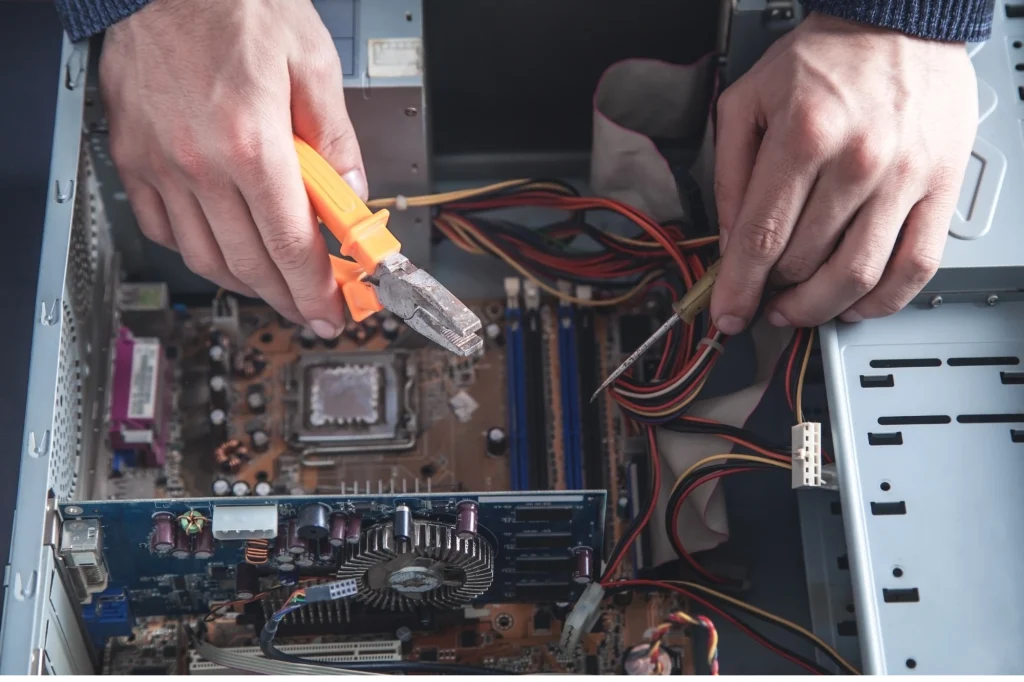
However, when a cooking range begins to malfunction — whether it’s burners not igniting, ovens failing to heat, or digital controls displaying error codes — the disruption can be immediate and frustrating. Cooking becomes difficult, meal preparation slows down, and safety concerns may arise.
If you are experiencing issues such as uneven heating, gas smell, ignition failure, or electrical malfunctions, professional Cooking Range Repair The Lakes services are essential for restoring safety and performance quickly.
Cooking ranges today combine complex electrical components, gas systems, sensors, heating elements, and digital control boards. While these technologies provide greater cooking precision and efficiency, they also mean that repairs require specialized knowledge and proper diagnostic tools.
Timely repair not only restores the functionality of your cooking range but also prevents minor faults from turning into expensive replacements.
Why Timely Cooking Range Repair in The Lakes Is Important
Unlike other kitchen appliances that operate occasionally, cooking ranges experience frequent and sometimes intense usage. In busy households, they are used multiple times a day for breakfast, lunch, dinner, and special meals.
Because of this constant use, cooking ranges are susceptible to wear and tear. Ignoring small issues like weak flames, delayed ignition, or inconsistent oven temperatures can eventually lead to larger mechanical or electrical failures.
Several factors make professional cooking range repair particularly important in The Lakes.
1. Frequent Household Usage
Families rely heavily on their cooking appliances every day. Repeated use places stress on internal components such as burners, heating elements, igniters, and thermostats.
Over time, this stress may lead to reduced efficiency or sudden breakdowns.
2. Gas and Electrical Safety
Cooking ranges involve both gas and electricity. A malfunctioning appliance can create hazards such as gas leaks, electrical shorts, or overheating.
Professional technicians ensure repairs are performed safely and according to industry standards.
3. Modern Appliance Complexity
Many modern cooking ranges include advanced features like:
- Digital touch controls
- Automatic ignition systems
- Temperature sensors
- Self-cleaning ovens
- Convection fans
While these features improve convenience, they also require specialized repair expertise.
Common Cooking Range Pain Points in The Lakes Homes – Detailed Pain Points
Cooking ranges are among the most frequently used appliances in modern kitchens. In communities like The Lakes, families rely on their cooking ranges multiple times a day for preparing meals, baking, and hosting gatherings. Because of this constant usage, even high-quality cooking ranges can develop technical issues over time. When these problems occur, they create more than just inconvenience—they can disrupt daily routines, increase energy costs, and even pose safety risks.
Understanding the most common cooking range pain points helps homeowners recognize early warning signs and seek professional repairs before minor issues turn into costly breakdowns. Below are the most frequent problems experienced by residents, along with the real challenges they create in everyday life.
1. Cooking Range Burners Not Igniting
Burner ignition failure is one of the most common issues homeowners experience with cooking ranges. Since burners are the primary heat source for stovetop cooking, any ignition problem immediately disrupts meal preparation.
Real Pain Points
When burners fail to ignite, families are often forced to delay cooking or rely on alternative appliances like microwaves, electric kettles, or portable cooktops. For households that prepare fresh meals daily, this disruption can quickly become frustrating.
Parents preparing meals for children may find themselves struggling to cook on schedule, while busy professionals may lose valuable time trying to troubleshoot the appliance. In some cases, repeated ignition attempts may also create anxiety about possible gas leaks or safety risks.
In households where cooking is a daily routine, burner failure can significantly impact convenience and efficiency in the kitchen.
Symptoms
Several warning signs indicate burner ignition problems:
- Clicking sound without flame
- Burner fails to ignite completely
- Weak or uneven flame
- Delayed ignition after turning the knob
These symptoms often appear gradually before the burner stops working entirely.
Causes
Common causes of ignition problems include:
- Clogged burner ports caused by food debris or grease
- Faulty spark igniter
- Moisture accumulation near ignition components
- Gas supply interruption or pressure imbalance
Professional Solution
Professional technicians clean clogged burner ports, inspect spark igniters, and test gas supply systems. If the igniter is faulty, it is replaced with a compatible component to restore reliable burner operation.
Prompt repair ensures safe cooking and prevents further damage to the ignition system.
2. Oven Not Heating Properly
An oven that fails to heat correctly is another major issue experienced by homeowners. Accurate temperature control is essential for baking, roasting, and preparing many types of meals.
Real Pain Points
When the oven temperature becomes inconsistent, cooking results suffer. Cakes may collapse, baked goods may remain raw in the center, and roasted dishes may cook unevenly. These repeated cooking failures waste both time and ingredients.
Families often discover the problem only after a meal has been ruined. Preparing dishes again increases frustration and disrupts meal schedules. For those who enjoy baking or hosting guests, oven heating issues can be particularly disappointing.
Another concern is the increase in electricity or gas consumption. When heating components malfunction, the appliance may run longer than necessary in an attempt to reach the desired temperature.
Symptoms
Common signs of oven heating problems include:
- Oven taking unusually long to heat up
- Food remaining undercooked even after recommended cooking time
- Uneven baking results
- Temperature fluctuations during cooking
Causes
Several internal components may contribute to heating failure, including:
- Burnt or damaged heating element
- Malfunctioning thermostat
- Faulty temperature sensor
- Control board communication errors
Professional Solution
Repair technicians test heating elements, inspect temperature sensors, and recalibrate the thermostat system. If necessary, faulty components are replaced to restore consistent and accurate oven temperatures.
3. Gas Smell from the Cooking Range
A gas odor near the cooking range should never be ignored. Even a small leak can create significant safety concerns within the kitchen environment.
Real Pain Points
The presence of gas smell can cause immediate stress for homeowners. Families may worry about fire hazards or potential health risks from inhaling gas. This anxiety often leads to stopping all cooking activities until the issue is resolved.
In homes with children or elderly family members, the concern becomes even more serious. A suspected gas leak may require turning off the appliance entirely and ventilating the kitchen area.
Additionally, repeated ignition failures combined with gas smell can make the cooking range feel unsafe to use.
Symptoms
Signs of gas leakage may include:
- Strong gas odor near burners or oven
- Hissing sound from gas lines or burner area
- Burners failing to ignite properly
Causes
Gas leaks may occur due to several reasons:
- Loose gas line connections
- Faulty gas valves
- Worn burner seals or gaskets
Professional Solution
Certified technicians perform thorough gas leak detection tests, inspect gas connections, and replace faulty valves or seals. Immediate professional repair is critical to ensure the cooking range operates safely.
4. Oven Door Not Closing Properly
A misaligned or damaged oven door can significantly impact cooking efficiency and kitchen comfort.
Real Pain Points
When the oven door fails to seal properly, heat escapes during cooking. This leads to longer cooking times and higher energy consumption. Baking results may become inconsistent because the oven cannot maintain stable temperatures.
Homeowners may also notice the kitchen becoming warmer than usual due to escaping heat. For those cooking frequently, this can make the environment uncomfortable.
In addition, an improperly closing oven door may eventually damage internal heating components due to continuous temperature loss.
Symptoms
Common indicators of this problem include:
- Oven door not sealing tightly
- Heat escaping from the door edges
- Longer cooking times than normal
Causes
The issue may result from:
- Worn or damaged door gasket
- Broken or loose hinges
- Misaligned oven door frame
Professional Solution
Repair specialists replace worn gaskets, adjust door hinges, and ensure the door aligns properly with the oven frame. Restoring a tight seal improves cooking performance and energy efficiency.
5. Control Panel Malfunctions
Modern cooking ranges are equipped with digital control panels that regulate cooking temperatures, timers, and various cooking modes.
Real Pain Points
When the control panel stops responding, the entire cooking range may become difficult or impossible to operate. Users may not be able to set temperatures, activate oven functions, or start cooking cycles.
This can create significant inconvenience, especially during busy cooking times. Repeated attempts to press unresponsive buttons can be frustrating and confusing.
For households relying on digital cooking modes such as convection or baking programs, control panel failures may completely disrupt cooking routines.
Symptoms
Common signs of control panel problems include:
- Touch controls not responding
- Error messages on the display
- Random shutdowns or restarts
Causes
Control panel issues often occur due to:
- Damaged electronic control boards
- Electrical voltage fluctuations
- Moisture entering electronic circuits
Professional Solution
Technicians inspect the control board and electrical connections. Faulty electronic components may be repaired or replaced to restore full functionality.
6. Strange Noises During Operation
Cooking ranges normally produce minimal noise during operation. When unusual sounds appear, they often indicate mechanical or electrical problems.
Common Sounds
Homeowners may report hearing:
- Buzzing noises
- Rattling sounds
- Grinding noises
- Loud humming during operation
Real Pain Points
Unusual noises can create concern and uncertainty for homeowners. These sounds may suggest that an internal component is loose, worn out, or malfunctioning.
In some cases, the noise becomes louder over time, making it difficult to ignore. Many homeowners worry that the appliance may stop working suddenly or require expensive repairs.
Ignoring these early warning signs can allow small mechanical problems to develop into major component failures.
Professional Solution
Technicians inspect internal fans, heating elements, and other mechanical components to identify the source of the noise. Loose parts are secured, worn components are replaced, and the appliance is tested to ensure quiet and stable operation.
Signs You Need Immediate Cooking Range Repair
Certain warning signs indicate that immediate professional service is required.
Contact a technician if you notice:
- Persistent gas smell
- Burners failing repeatedly
- Oven not heating at all
- Loud grinding noises
- Electrical sparks or burning smell
- Repeated error codes on display
Delaying repair can increase damage and create safety hazards.
Understanding Cooking Range Error Codes – Cooking Range Repair The Lakes
Modern kitchens are equipped with advanced cooking ranges that combine gas burners, electric elements, and digital controls to provide precision and convenience. However, these sophisticated appliances are not immune to technical issues. To make troubleshooting easier and more efficient, most modern cooking ranges are equipped with diagnostic systems that display error codes whenever a malfunction occurs. Understanding these codes is crucial for homeowners in The Lakes, as they provide a clear indication of the problem and help technicians carry out accurate repairs.
When error codes appear, ignoring them can lead to worsened appliance performance, inefficient cooking, and even safety hazards. Certified Cooking Range Repair The Lakes services rely on these codes to quickly diagnose faults, replace or repair faulty components, and restore the range to optimal performance.
Below is a comprehensive guide to the most common cooking range error codes, their meanings, symptoms, causes, impacts, and professional repair solutions.
E01 – Door Lock Error
The E01 error code indicates a malfunction in the oven door locking mechanism. Many modern ovens include a safety lock feature that engages during self-cleaning cycles or high-heat cooking to prevent accidental burns or injuries. If this mechanism fails, the oven may refuse to start, leaving the appliance unusable.
Symptoms
Homeowners may notice the following signs when the E01 error occurs:
- Oven fails to start any cooking or baking cycles
- The door does not latch or feels loose
- Touch panel may display the E01 code persistently
Causes
Several factors can trigger the E01 error:
- Faulty door sensor that fails to detect whether the door is closed
- Damaged or broken latch mechanism
- Loose or disconnected wiring connecting the door lock to the control board
Impact
Ignoring an E01 error can have multiple consequences:
- Oven cannot be used until repaired, disrupting meal preparation
- Attempting to force the door open may damage the locking mechanism further
- If the door lock system is malfunctioning during a self-cleaning cycle, it may pose safety hazards
Professional Solution
Certified technicians performing Cooking Range Repair The Lakes follow a structured approach:
- Inspect the door latch and sensor to verify functionality
- Repair or replace damaged components
- Check wiring connections for continuity and secure loose connections
- Test the door lock mechanism to ensure it functions correctly
With timely repair, the oven door will close securely, restoring full operation and safety.
E02 – Heating Element Failure
The E02 error code is displayed when the heating element is malfunctioning. Heating elements are responsible for generating the heat required for baking, roasting, and maintaining accurate oven temperatures. If they fail, cooking becomes inefficient or impossible.
Symptoms
Homeowners may notice:
- Oven fails to reach the set temperature
- Cooking times are longer than usual
- Uneven baking or roasting results
Causes
The E02 error typically occurs due to:
- Burnt or damaged heating element
- Electrical wiring damage or loose connections
- Overuse or natural wear of the element
Impact
Without a functioning heating element:
- Meals may be undercooked, ruining recipes
- Energy consumption increases as the oven works harder to reach the target temperature
- Inconsistent heating can affect baked goods, meats, and casseroles
Professional Solution
Certified technicians approach E02 errors by:
- Testing the heating element for continuity using diagnostic tools
- Inspecting wiring connections for damage or corrosion
- Replacing the heating element if required
- Verifying oven temperatures with calibrated thermometers to ensure accurate heating
This ensures that the cooking range heats consistently, improving performance and energy efficiency.
E03 – Ignition System Error
The E03 error code is specific to gas cooking ranges and indicates an ignition system failure. Gas burners require sparks or flames to ignite the fuel, and any failure in this system prevents cooking altogether.
Symptoms
Typical signs of an E03 error include:
- Burners fail to ignite when turned on
- Continuous clicking sound without flame
- Error code displayed on the control panel
Causes
Common reasons for ignition failure are:
- Faulty spark igniters that fail to generate sparks
- Gas supply interruptions or pressure inconsistencies
- Moisture or debris buildup around the igniter
Impact
A malfunctioning ignition system creates several challenges:
- Cooking becomes impossible until the problem is fixed
- Repeated attempts to ignite may waste gas or electricity
- There is a potential safety risk if gas accumulates without ignition
Professional Solution
Certified technicians in Cooking Range Repair The Lakes handle E03 errors by:
- Cleaning spark igniters to remove debris or grease
- Testing igniter continuity and replacing faulty components
- Checking gas supply lines, valves, and pressure
- Conducting a full ignition test to confirm safe operation
Professional attention ensures that burners ignite reliably and safely.
E04 – Temperature Sensor Error
The E04 error code signals a problem with the oven’s temperature sensor. Accurate temperature readings are critical for consistent cooking and baking. A faulty sensor can result in fluctuating temperatures and inconsistent results.
Symptoms
Homeowners may observe:
- Temperature fluctuations during cooking
- Unevenly baked or cooked meals
- Error code displayed on the control panel
Causes
Sensor errors can be caused by:
- Damaged or malfunctioning temperature sensors
- Loose or corroded sensor wiring
- Control board communication issues
Impact
Failing to address E04 errors can result in:
- Food being undercooked or overcooked
- Energy wastage as the oven cycles excessively
- Increased wear on heating elements due to inconsistent operation
Professional Solution
Repair specialists address E04 errors by:
- Testing the temperature sensor for resistance and functionality
- Inspecting wiring connections and repairing loose or damaged wires
- Replacing the sensor with a genuine component if necessary
- Recalibrating the oven to ensure precise temperature control
This restores consistent cooking performance and prevents further appliance strain.
E05 – Control Board Error
The E05 error code indicates a malfunction in the main electronic control board. The control board is the brain of modern cooking ranges, coordinating temperature regulation, timers, and burner or oven functions.
Symptoms
Signs of a control board failure include:
- Appliance stops working suddenly
- Touch or digital display becomes unresponsive
- Random errors or cycle interruptions
Causes
Control board errors can be triggered by:
- Electrical surges or voltage fluctuations
- Moisture exposure to internal circuits
- Age-related degradation of electronic components
- Manufacturing defects or component failures
Impact
Ignoring control board issues can have serious consequences:
- Multiple functions of the oven may fail simultaneously
- Unstable operation may damage other components
- Safety risks, such as gas leaks or overheating, may increase
Professional Solution
Technicians address E05 errors by:
- Inspecting the control board for visible damage
- Testing electronic circuits for functionality
- Replacing the control board if necessary
- Restoring proper communication between the board and all appliance systems
- Installing surge protection to prevent future failures
Prompt attention ensures reliable operation and protects the appliance from further electrical damage.
Why Error Codes Should Never Be Ignored
Error codes are more than just a display message—they are early warning signals indicating that a component is malfunctioning. Ignoring these codes can lead to:
- Increased energy consumption
- Damaged heating elements or igniters
- Food spoilage due to inconsistent temperatures
- Safety hazards like gas leaks or electrical shorts
- Expensive emergency repairs
Homeowners in The Lakes should treat error codes as immediate alerts. Calling certified technicians ensures accurate diagnosis, proper repairs, and safe operation.
Professional Diagnostic Process
Certified Cooking Range Repair The Lakes services follow a structured method when addressing error codes:
- Error Code Verification – Confirm the displayed code is accurate
- Component Testing – Isolate and test the faulty part
- Electrical Inspection – Check wiring and voltage stability
- Genuine Part Replacement – Install authentic components for reliability
- Full System Testing – Ensure all functions operate normally
This comprehensive process resolves the root cause rather than just addressing the symptom, ensuring long-term reliability.
Commercial Cooking Range Repair in The Lakes
Commercial kitchens rely heavily on cooking ranges for daily operations.
Businesses that require reliable cooking range repair services include:
- Restaurants
- Cafes
- Catering companies
- Hotels
- Bakeries
Commercial appliances operate under heavier workloads, increasing the risk of component wear.
Professional repair services help businesses maintain kitchen efficiency and avoid costly downtime.
Frequently Asked Questions
How long does cooking range repair take?
Most minor repairs such as burner cleaning, igniter replacement, or thermostat adjustments can be completed within one to two hours. More complex issues involving control boards, heating elements, or gas valves may take longer depending on the appliance model and parts availability.
Is it safe to use a faulty cooking range?
No. Using a malfunctioning cooking range can create serious hazards including gas leaks, electrical shocks, or overheating. It is always safer to stop using the appliance and contact a professional repair technician immediately.
How often should cooking ranges be serviced?
Professional maintenance should be performed at least once a year. Regular servicing includes burner cleaning, ignition testing, electrical inspection, and temperature calibration to ensure safe and efficient operation.
Are genuine parts used during repairs?
Yes, reputable repair services use manufacturer-approved or genuine replacement parts. Using authentic components ensures durability, compatibility, and long-term appliance performance.
Is emergency cooking range repair available?
Many repair companies offer emergency or same-day services for urgent issues such as gas leaks, ignition failure, or electrical malfunctions.
Restore Your Cooking Range Today
A malfunctioning cooking range can disrupt your daily routine and create safety concerns in your kitchen. Whether you are dealing with ignition failure, temperature inconsistencies, control panel issues, or unusual noises, professional repair services provide the fastest and safest solution.
Expert Cooking Range Repair The Lakes technicians use advanced diagnostic tools and genuine replacement parts to restore your appliance to peak performance.
Don’t let a small problem turn into a costly replacement. Timely repair ensures safe cooking, energy efficiency, and long-lasting appliance performance.
Schedule professional cooking range repair today and enjoy a fully functional kitchen once again.