
In busy households across Ras Al Khor, a fully functioning clothes dryer is more than a convenience — it’s an essential part of daily life. Whether it’s handling family laundry, work uniforms, or delicate fabrics, a malfunctioning dryer can completely disrupt routines. From dryers that fail to heat properly, make unusual noises, or stop mid-cycle, residents in Design District rely on professional repair services to restore efficiency, safety, and peace of mind.
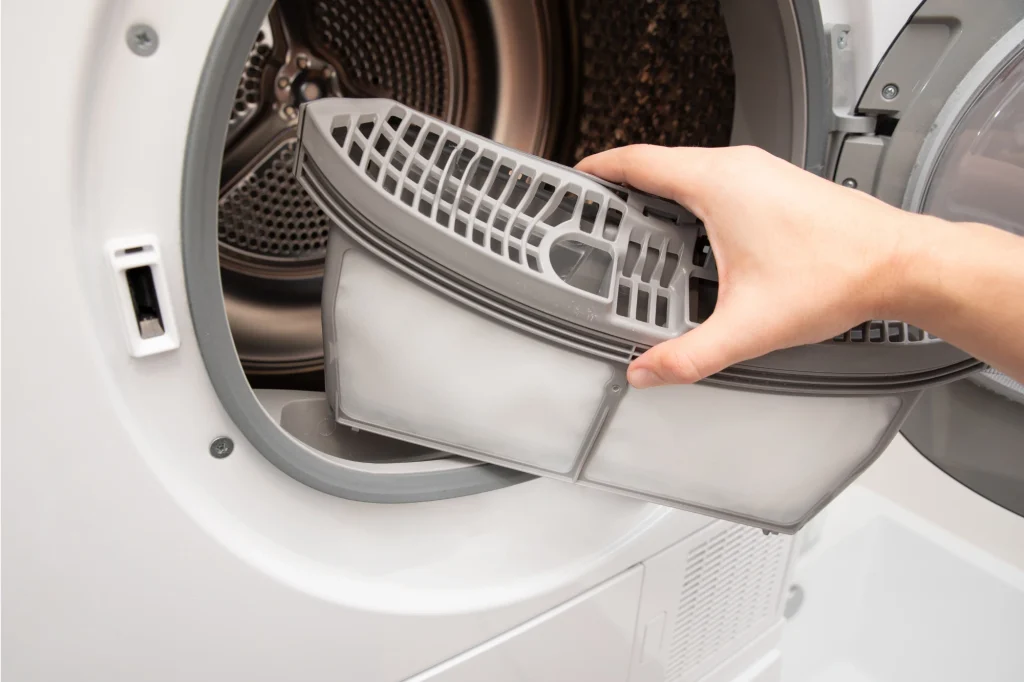
Why Professional Cloth Dryer Repair in Design District Matters
While DIY fixes may seem tempting, modern dryers are complex machines. They contain electrical systems, heating elements, motors, thermostats, and control boards. Attempting repairs without expertise can:
- Cause permanent damage
- Increase repair costs
- Void the manufacturer warranty
- Create fire hazards
- Risk electric shock
Professional technicians provide:
- Accurate fault diagnosis
- Safe and efficient repair procedures
- Genuine spare parts
- Long-lasting solutions
- Same-day service availability
Trusting experienced dryer repair professionals ensures safety and efficiency, saving both time and money.
Common Cloth Dryer Pain Points in Design District– Real-Life Pain Points
Modern households in Design District depend heavily on clothes dryers for daily laundry routines. When a dryer malfunctions, it’s not just an appliance issue — it becomes a source of stress, wasted time, and even safety risks. Understanding the common problems and their impact helps homeowners act quickly and seek professional repair before minor faults escalate into major breakdowns.
1. Dryer Not Heating – Wet Clothes, Wasted Time
One of the most frustrating issues is when the dryer drum spins, but clothes remain damp after a full cycle. This typically indicates a heating problem. Causes may include a blown thermal fuse, faulty heating element, defective thermostat, or, in gas dryers, a gas supply problem.
Pain Points for Residents:
- Increased Electricity Bills: Running multiple cycles to dry clothes consumes more power, adding to monthly utility costs in Design District homes.
- Musty Odors: Damp clothes left in the drum develop unpleasant smells, making laundry less hygienic.
- Disrupted Daily Routine: Urgent items like school uniforms, office attire, or sportswear are delayed, causing stress and inconvenience.
- Time Wasted: Residents spend extra hours waiting for laundry, affecting overall household productivity.
Professional repair ensures that heating elements, fuses, and thermostats are safely tested and replaced, restoring normal drying performance efficiently.
2. Dryer Not Spinning – Laundry Comes to a Halt
When the dryer drum fails to rotate, drying becomes impossible. You may hear the motor hum, but the clothes stay stationary. Common causes include broken drive belts, worn drum rollers, damaged idler pulleys, or motor failure.
Pain Points:
- Inability to Dry Clothes: Laundry piles up quickly, especially for large families, disrupting household schedules.
- Manual Handling: Heavy, wet clothes need to be removed manually, increasing physical effort and frustration.
- Motor Damage Risk: Ignoring early signs may lead to complete motor failure, increasing repair costs.
- Escalating Expenses: Small mechanical issues can grow into major component replacements if left unaddressed.
Immediate professional intervention prevents further damage, restores drum rotation, and reduces repair costs in the long term.
3. Dryer Making Loud Noise – Annoying and Warning Sign
Unusual sounds such as squeaking, grinding, rattling, or thumping are not just irritating—they often signal serious internal issues. Causes may include worn drum bearings, loose blower wheels, damaged support rollers, or motor problems.
Pain Points:
- Disturbing Household Noise: Loud dryers affect the living environment, especially in apartments where sound travels to neighboring units.
- Anxiety Over Damage: Persistent noise may indicate impending mechanical failure, causing worry for homeowners.
- Unexpected Breakdowns: Ignoring these noises can result in sudden appliance failure during use.
- Rising Repair Costs: Delayed attention often leads to more expensive parts needing replacement.
Professional inspection identifies worn parts early and restores quiet operation, preventing long-term damage and minimizing disruption.
4. Dryer Not Starting – Complete Disruption
A dryer that won’t start, with no lights or sounds, brings laundry routines to a standstill. Common causes include a faulty door switch, damaged start switch, control board malfunction, or tripped circuit breaker.
Pain Points:
- Immediate Routine Disruption: Daily chores are interrupted, impacting family schedules.
- Safety Concerns: Electrical faults may pose risks if handled without proper expertise.
- Urgency for Repair: Homes relying on dryers daily face pressure to fix the machine quickly.
Certified technicians safely test electrical connections, door switches, and circuit boards, restoring the appliance without risk to homeowners.
5. Dryer Overheating – Fire Risk
Overheating is more than a technical problem—it is a serious safety hazard. Symptoms include excessive drum heat and a burning smell. Causes often involve blocked ventilation, clogged lint filters, or faulty thermostats.
Pain Points:
- Fire Hazard: Overheating increases the risk of home fires, particularly concerning in tightly packed apartments.
- Damaged Clothes: High temperatures can ruin fabrics, shrink garments, or cause permanent stains.
- Higher Energy Consumption: Overheating forces the dryer to work harder, using more electricity.
- Accelerated Wear: Internal components degrade faster under extreme heat.
Regular maintenance and professional servicing ensure safe airflow, correct temperature regulation, and prevention of overheating.
6. Dryer Taking Too Long to Dry Clothes – Hidden Energy Drain
When drying requires multiple cycles, the problem may seem minor, but it drains energy and adds frustration. Causes include a weak heating element, moisture sensor failure, blocked vents, or overloading.
Pain Points:
- Increased Electricity Bills: Prolonged drying cycles result in higher energy usage.
- Time Wasted: Residents spend extra hours waiting for clothes to dry.
- Damp Clothes with Odor: Partial drying can leave laundry smelling musty.
- Extra Fabric Wear: Overexposure to heat and tumbling causes premature wear.
Professional technicians can inspect sensors, clean vents, and replace faulty components, restoring optimal drying efficiency.
7. Dryer Shuts Off Mid-Cycle – Unpredictable and Stressful
Dryers that stop mid-cycle leave clothes partially dried and routines disrupted. Causes include overheating protection activation, motor or control board failure, or unstable power supply.
Pain Points:
- Repeated Restarts Required: Users must reset the dryer multiple times to complete cycles.
- Reduced Appliance Lifespan: Frequent stoppages stress components, leading to early failure.
- Household Stress: Unpredictable performance adds frustration and anxiety.
Immediate professional diagnosis addresses underlying issues, preventing full system failure and ensuring reliable operation.
Types of Dryers We Repair
In Design District homes, different dryer types require specialized repair expertise:
- Electric Dryers – Standard models used in apartments and villas
- Gas Dryers – Require precise handling of gas lines and ignition systems
- Vented and Condenser Dryers – Each type has unique maintenance needs
Certified technicians are trained to repair all types safely and efficiently.
Common Cloth Dryer Error Codes in Design District– What They Mean and How to Fix Them
Modern clothes dryers are designed to make laundry convenient, efficient, and safe. One of the key features in today’s appliances is the digital error code system. These codes allow the dryer to communicate malfunctions directly to the homeowner, saving time and preventing further damage. For residents in Ras Al Khor, understanding these codes and knowing when to call for professional Cloth Dryer Repair Design Districts essential to avoid costly repairs and household disruptions.
Dryer error codes are alphanumeric signals displayed on the control panel. Each code corresponds to a specific fault, whether mechanical, electrical, or related to the dryer’s heating or motor systems. Ignoring these codes may not only worsen the problem but also pose safety hazards, including fire risk and electrical shocks.
Below is a detailed guide to the most common dryer error codes, their causes, symptoms, potential risks, and professional solutions.
i20 – Drainage Error
Meaning: Water is not draining properly from the dryer. This is particularly relevant for condenser dryers that collect water from condensation.
Causes:
- Blocked filters or lint traps
- Kinked or clogged drainage hoses
- Faulty drain pump
- Water collection tank full or misaligned
Symptoms:
- Dryer stops mid-cycle
- Water pooling at the bottom of the unit
- Strange gurgling or bubbling noises during operation
Pain Points:
- Increased Repair Costs: Ignoring drainage issues can damage the pump or motor.
- Water Spillage: Excess water can leak onto floors, causing potential damage to tiles, carpets, and wooden surfaces.
- Laundry Delays: Clothes remain wet, requiring additional drying cycles.
- Stress and Inconvenience: Families face daily disruptions, particularly in homes with heavy laundry loads.
Professional Solution:
Certified technicians inspect the filters, hoses, and pump to identify blockages or mechanical faults. Cleaning or replacing the drain pump ensures proper water removal and restores safe operation.
i30 – Water Leakage Detected
Meaning: The dryer’s anti-flood system has detected water leakage. This is an urgent issue requiring immediate attention.
Causes:
- Internal leaks from broken pipes or connections
- Overfilling of water collection tanks
- Faulty water inlet valves (in dryers with steam functions)
Symptoms:
- Visible water around the dryer
- Humid or damp laundry room environment
- Frequent shutdowns triggered by the anti-flood system
Pain Points:
- Safety Hazard: Water near electrical components can cause short circuits or electric shock.
- Property Damage: Leaks may affect kitchen cabinets, floors, and nearby appliances.
- Emergency Repairs: Ignoring leaks can escalate to major water damage and higher repair bills.
Professional Solution:
Technicians perform a thorough inspection, replacing or repairing faulty valves, hoses, or tanks. They also test the anti-flood sensors to ensure early detection of future leaks.
i50 – Motor or Wash Pump Error
Meaning: The dryer’s circulation motor or wash pump has malfunctioned, preventing proper tumbling and airflow.
Causes:
- Motor overheating or burnout
- Obstruction in the drum or pump
- Electrical failures in motor circuits
Symptoms:
- Dryer drum does not spin
- Clothes remain damp despite running cycles
- Loud humming or unusual noises from the motor
Pain Points:
- Laundry Halted: Clothes cannot dry properly, delaying household chores.
- Escalating Costs: Ignoring motor issues can lead to total motor replacement.
- Inconvenience: Heavy laundry must be handled manually, adding stress.
Professional Solution:
Certified technicians test the motor, check electrical connections, and replace worn-out components. Professional servicing prevents further internal damage and restores dryer functionality safely.
i60 – Heating System Fault
Meaning: The dryer is failing to heat properly due to a heating element, thermostat, or sensor problem.
Causes:
- Burnt-out heating element
- Defective thermostat
- Malfunctioning temperature sensors
Symptoms:
- Dryer runs but clothes remain damp
- Longer drying cycles
- Cold or lukewarm air blowing from the drum
Pain Points:
- Electricity Waste: Repeated cycles consume more energy.
- Frustration and Delays: Laundry is not ready on time, causing stress for busy households.
- Damaged Clothes: Damp clothes can develop musty odors and mildew.
Professional Solution:
Technicians test heating elements and thermostats for continuity, replacing faulty components as needed. Proper repair ensures safe and efficient drying while preventing further damage to the control system.
iF0 – Overfilling Issue
Meaning: Too much water has accumulated inside the dryer, either in the tank or drum.
Causes:
- Excess moisture from very wet laundry
- Malfunctioning water collection system in condenser dryers
- Sensor errors misreading water levels
Symptoms:
- Error code displayed on control panel
- Potential leakage or dripping
- Dryer may stop mid-cycle
Pain Points:
- Risk of Electrical Damage: Excess water near electronics increases the chance of short circuits.
- Laundry Disruption: Cycles may halt repeatedly, delaying laundry completion.
- Appliance Wear: Continuous operation under high moisture conditions can strain internal parts.
Professional Solution:
Technicians reset the water sensors, inspect tanks, and repair or replace faulty components to restore normal function. Proper calibration ensures the dryer accurately detects moisture levels in future cycles.
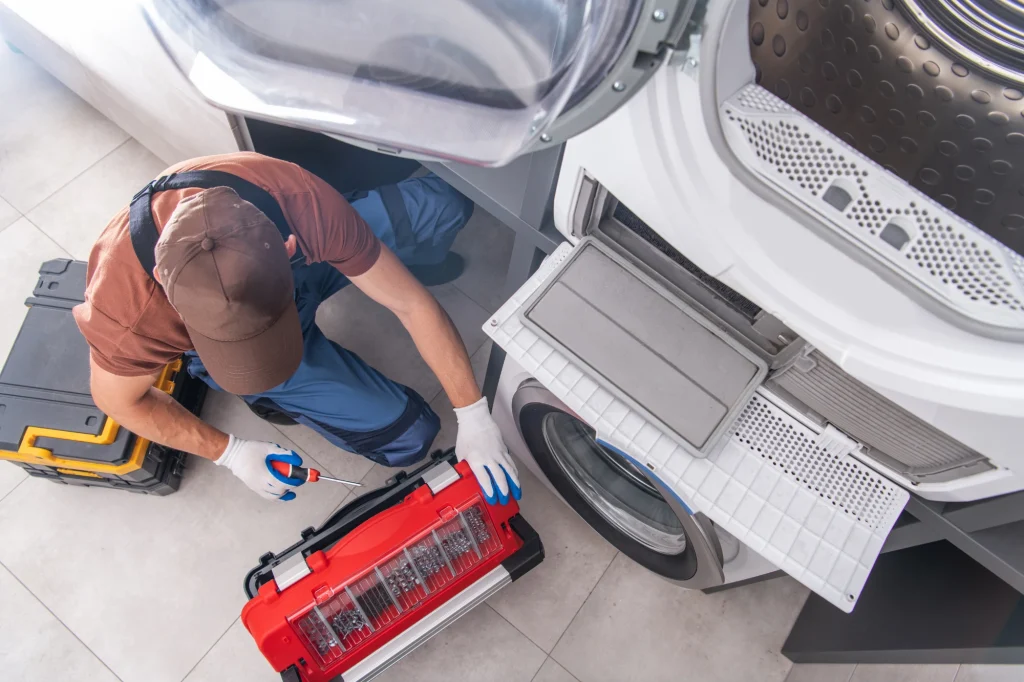
Why Ignoring Dryer Error Codes is Risky
Many residents in Design District underestimate the importance of error codes, thinking minor faults will resolve on their own. However, ignoring these warnings can lead to:
- Permanent Motor Damage: Motor failures often begin as minor electrical issues.
- Electrical Short Circuits: Faulty wiring or sensors can cause dangerous sparks.
- Higher Repair Costs: Small repairs today prevent costly component replacements tomorrow.
- Complete Appliance Failure: Ignored errors may render the dryer completely unusable.
By acting promptly, homeowners reduce downtime, avoid major expenses, and maintain household convenience.
Tips for Residents
- Note the Error Code Immediately: Write it down or take a photo for technician reference.
- Avoid DIY Repairs: Handling motors, sensors, or circuit boards without training can cause injuries or permanent damage.
- Schedule Professional Servicing: Annual inspections help prevent recurring error codes and extend dryer lifespan.
- Keep Vents and Filters Clean: Proper airflow prevents overheating and drainage issues.
- Use Genuine Spare Parts: Ensures compatibility and maintains manufacturer warranty.
Why Choose Professional Dryer Repair in Ras Al Khor
DIY attempts may seem tempting but often worsen the issue. Certified repair services provide:
- Accurate diagnostics
- Genuine spare parts
- Safe electrical handling
- Long-lasting solutions
- Same-day home service
Whether it’s minor heating issues, motor problems, or complex control board faults, professional intervention saves time, money, and stress.
Frequently Asked Questions
Q1: How long does dryer repair take?
Most dryer repairs are completed within 1–2 hours. Minor issues like belt replacement, thermostat repair, or cleaning vents are usually quick. However, complex problems such as motor replacement, heating element faults, or control board repairs may take longer depending on parts availability and the severity of the issue.
Q2: Do you provide a warranty?
Yes. Professional dryer repair services in Design District offer a warranty on both parts and labor. This ensures peace of mind, giving homeowners confidence that the repair is reliable. If the same issue recurs within the warranty period, the service provider will address it promptly at no extra cost.
Q3: Is repair better than replacement?
In most cases, repair is far more cost-effective than purchasing a new dryer. Minor faults like blown fuses, worn belts, or heating element issues can be fixed quickly, saving money and avoiding the hassle of installing a new unit. Replacement is generally recommended only if repairs exceed 50% of the cost of a new dryer.
Q4: Do you provide home service in Ras Al Khor?
Yes. Technicians offer convenient on-site service, arriving fully equipped with the necessary tools and commonly used spare parts. Most repairs are completed during the first visit, allowing residents to avoid transporting heavy appliances to service centers.
Q5: How often should I service my dryer?
To maintain optimal performance and safety, dryers should be professionally serviced at least once per year. Regular maintenance includes cleaning lint filters, inspecting heating elements, checking motors and belts, and ensuring proper airflow. Scheduled servicing prevents common faults, reduces electricity consumption, and extends the dryer’s lifespan.
Book Your Dryer Repair Today
A malfunctioning dryer in Design District doesn’t just inconvenience your household — it can pose safety risks, increase energy costs, and shorten appliance lifespan. From heating failures and drum issues to electrical faults and unusual noises, professional Cloth Dryer Repair Design District services ensure your dryer operates safely and efficiently.
Don’t wait until a small issue turns into a major expense. Schedule professional service today and enjoy worry-free laundry with a fully functioning dryer.