
In today’s eco-conscious world, caring for household appliances responsibly has never been more important. Cloth dryers, which run for hours to keep clothes dry, fresh, and ready to wear, are a key part of every home. How you maintain and repair your dryer directly affects energy usage, electricity bills, and your environmental footprint. Residents of the Green Community who prioritize timely repairs and regular maintenance can keep their dryers running efficiently, reduce energy consumption, and minimize unnecessary waste.
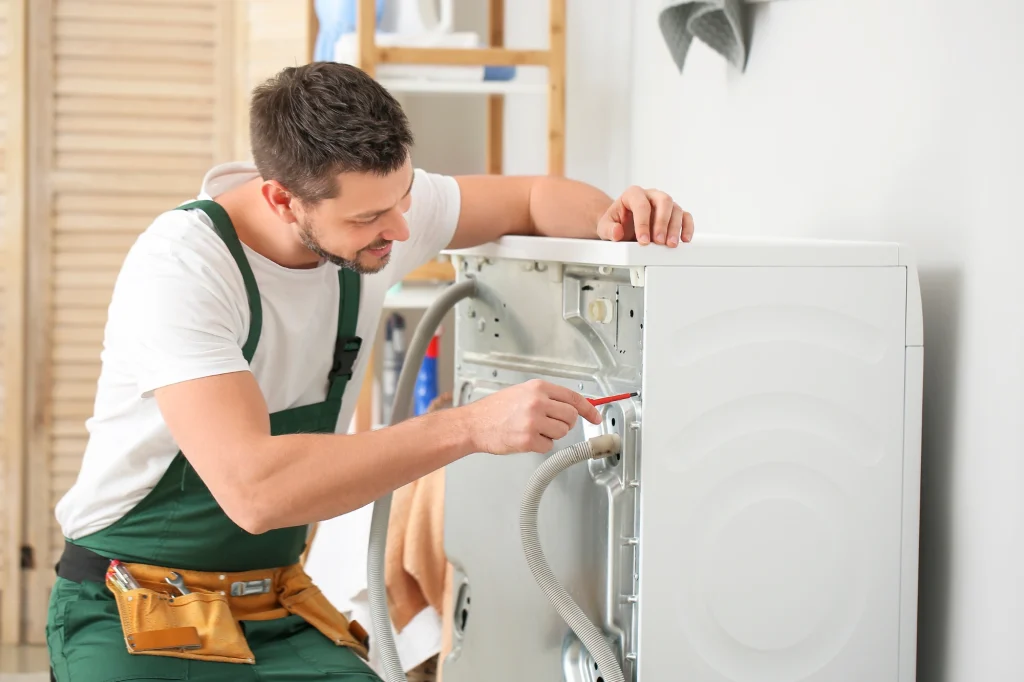
Ignoring small dryer problems can quickly turn into bigger issues. Clogged vents, worn belts, or malfunctioning heating elements force the appliance to work harder, consuming more electricity and reducing its lifespan. Left unchecked, these issues can lead to costly repairs, longer drying times, and increased electronic waste, all of which have a negative impact on both your wallet and the environment.
By addressing issues early, cleaning vents, and replacing worn components promptly, you not only save energy and money but also protect your clothes and improve household safety. Responsible dryer care is a simple yet effective way to promote sustainability, reduce waste, and contribute to a greener, healthier community while keeping your laundry routine smooth and efficient.
Why Cloth Dryers Matter
Cloth dryers are more than just time-saving appliances—they play a key role in protecting clothing, maintaining hygiene, and keeping households running smoothly. By gently drying clothes, they preserve fabric fibers, reduce the risk of damp odors, and allow for quick laundry cycles even in humid or rainy conditions. For busy families, a reliable dryer prevents laundry from piling up, ensuring that clothes are ready when needed and supporting overall household convenience.
However, cloth dryers are among the most energy-intensive appliances in a home. A typical dryer consumes between 2–4 kWh per load, which can quickly add to electricity bills. Inefficient or poorly maintained dryers not only waste energy but may also generate excess heat, increasing cooling costs in warmer months. Common issues such as clogged vents, worn belts, or malfunctioning heating elements can make the appliance work harder, further increasing electricity consumption.
Regular maintenance and timely repairs are essential to keeping dryers operating efficiently. Cleaning vents, inspecting components, and servicing mechanical parts not only extend the appliance’s lifespan but also promote sustainable living. By taking proactive care of your dryer, households in the Green Community can reduce energy use, save money, and adopt eco-friendly habits without compromising on convenience or comfort.
Common Dryer Pain Points and How to Fix Them
1. Dryer Not Heating Properly
A dryer that runs but fails to heat is one of the most frequent complaints.
Causes:
- Burnt Heating Coil: The coil can degrade over time, preventing heat generation.
- Blocked Airflow: Lint accumulation in vents reduces heating efficiency.
- Faulty Thermal Switch: A worn thermal switch may shut the heater off prematurely.
Solutions:
- Disconnect power and inspect the heating coil; replace if worn.
- Clean the lint trap, vent duct, and exhaust pipe.
- Test the thermal switch with a multimeter and replace if necessary.
Regular attention to heating components ensures faster drying cycles, lower energy bills, and improved appliance longevity.
2. Dryer Drum Not Spinning
If the drum remains stationary, clothes cannot dry evenly.
Causes:
- Worn or broken drum belt.
- Motor malfunction or worn drum rollers.
- Obstruction from clothing or small objects.
Solutions:
- Inspect and replace the drum belt if damaged.
- Test motor functionality and replace faulty rollers.
- Check for trapped items and remove obstructions.
Prompt repair keeps clothes from getting damaged and reduces energy wastage caused by repeated drying cycles.
3. Excessive Noise or Vibrations
Unusual sounds often indicate internal wear or misalignment.
Causes:
- Loose screws or panels.
- Worn drum bearings or idler pulleys.
- Lint buildup around moving parts.
Solutions:
- Tighten all screws and panels.
- Lubricate or replace bearings and pulleys.
- Clean the interior and vents thoroughly.
Maintaining smooth operation prevents long-term damage and ensures quieter, energy-efficient operation.
4. Moisture Remaining After Drying
If clothes are still damp after a full cycle:
Causes:
- Clogged vents restricting airflow.
- Malfunctioning moisture sensor.
- Overloaded drum.
Solutions:
- Clean vents and lint traps regularly.
- Replace or calibrate the moisture sensor.
- Avoid overloading; divide large laundry loads for better airflow.
Proper airflow ensures faster drying, lowers electricity usage, and prevents mildew in fabrics.
5. Water Leakage (Condenser or Heat Pump Dryers)
Some modern dryers collect condensation water. Leaks can damage floors or create safety hazards.
Causes:
- Full or blocked water collection tank.
- Faulty internal drain hoses.
Solutions:
- Empty the tank after each cycle.
- Inspect hoses for blockages or cracks; replace if needed.
- Ensure proper alignment of the drainage system.
Regular inspection prevents water damage and supports healthy indoor conditions.
Proactive Maintenance Tips
- Remove lint after every use.
- Clean vent pipes and exhaust ducts every 3–6 months.
- Check drum belts, rollers, and heating elements annually.
- Avoid overloading the dryer to maintain airflow.
- Schedule professional servicing once a year for electrical and mechanical inspection.
Routine maintenance improves performance, saves energy, and reduces the likelihood of costly repairs, promoting sustainable living.
Safety Tips for Dryer Repairs
- Always unplug the dryer before starting any repair.
- Wear gloves and safety glasses when handling heating components or sharp parts.
- Call certified technicians for electrical or motor-related issues to avoid hazards.
Safety protects both the user and the appliance
How Timely Appliance Repairs Reduce E-Waste and Energy Consumption – Green Community Guide
In today’s eco-conscious world, households are becoming increasingly aware of their environmental footprint. One of the most overlooked contributors to waste and energy inefficiency is household appliances. From refrigerators and washing machines to cloth dryers and dishwashers, appliances are essential for modern living. Yet, when they malfunction or age, many homeowners opt for replacement rather than repair. This approach not only increases electronic waste (e-waste) but also unnecessarily boosts energy consumption.
Timely appliance repairs offer a practical solution. Acting at the first signs of malfunction — such as unusual noises, inconsistent performance, or error codes — can restore efficiency, prolong lifespan, and reduce the environmental impact of your household. This guide explores why timely repairs matter, how they help reduce e-waste, lower energy bills, and contribute to a sustainable lifestyle, specifically for residents of eco-conscious communities like the Green Community.
Cloth Dryer Error Codes Guide – Green Community
Modern cloth dryers are more than just simple appliances; they are smart machines designed to make laundry easier while conserving energy. Many models today come with diagnostic systems that display error codes when something goes wrong. Understanding these codes is essential for homeowners in the Green Community because timely repair not only ensures your dryer works efficiently but also reduces energy consumption, prevents waste, and extends the appliance’s lifespan.
Error codes act as the dryer’s way of communicating issues before they become serious problems. Ignoring them can lead to longer drying times, increased electricity bills, potential fire hazards, and the need for early appliance replacement. This guide will explain the most common cloth dryer error codes, their causes, solutions, and preventive measures to keep your appliance running smoothly and sustainably.
Why Dryer Error Codes Matter
Cloth dryer error codes are signals generated by internal sensors and control boards to indicate a problem. Unlike guessing what might be wrong, these codes help pinpoint the exact issue, saving time, money, and energy. Understanding them allows you to:
- Prevent Energy Waste: A malfunctioning dryer can overwork, using more electricity.
- Avoid Clothing Damage: Certain issues, like overheating, can harm fabrics.
- Extend Appliance Lifespan: Timely repair prevents major breakdowns.
- Promote Sustainability: Fewer replacements mean less electronic waste and lower environmental impact.
For Green Community residents, addressing error codes promptly is an important part of responsible appliance ownership and energy-conscious living.
Common Cloth Dryer Error Codes and Solutions
While codes vary by brand, many models use similar patterns. Here’s a detailed breakdown of the most common dryer error codes:
1. E1 – Heating Element Fault
Cause: The heating element may be burnt, disconnected, or malfunctioning. Without heat, clothes remain damp, and the dryer works harder, increasing electricity use.
Solution:
- Unplug the dryer.
- Inspect the heating element for breaks or corrosion.
- Replace the element with a compatible part.
Tip: Regularly check the element and keep the dryer vents clean to avoid overheating.
2. E2 – Thermal Sensor or Thermostat Error
Cause: The thermostat monitors temperature and ensures safe operation. If it fails, the dryer may overheat or underheat.
Solution:
- Test the thermostat with a multimeter.
- Replace faulty sensors.
- Avoid DIY repairs if you’re unsure; improper handling can be dangerous.
Tip: Proper thermostat function prevents energy waste and protects your fabrics.
3. E3 – Vent or Airflow Blockage
Cause: A clogged vent or lint trap restricts airflow, leading to overheating, extended drying times, and potential fire hazards.
Solution:
- Clean lint filters after each use.
- Inspect and clear vents, ducts, and exhaust outlets.
- Ensure vents are not kinked or crushed.
Tip: Regular vent cleaning reduces energy consumption and prevents costly repairs.
4. E4 – Motor Overload
Cause: The motor struggles due to drum obstruction, worn bearings, or excessive load.
Solution:
- Remove any trapped clothing or items in the drum.
- Inspect and lubricate drum rollers.
- Call a professional if the motor shows signs of overheating or damage.
Tip: Avoid overloading the dryer to prevent motor strain.
5. E5 – Moisture Sensor Error
Cause: Moisture sensors detect when clothes are dry. If malfunctioning, cycles may stop prematurely or continue unnecessarily.
Solution:
- Clean the sensors with a soft cloth and mild soap.
- Replace faulty sensors if cleaning doesn’t resolve the issue.
Tip: Proper sensor function saves energy and ensures clothes are fully dried.
6. E6 – Door Switch Error
Cause: The dryer detects that the door is open, even when it is closed. This may be caused by a faulty switch, misaligned door, or obstruction.
Solution:
- Inspect the door alignment.
- Test the switch with a multimeter.
- Replace the door switch if defective.
Tip: Always ensure the door closes properly to prevent energy waste and maintain drying efficiency.
7. E7 – Water Drain or Condensation Error (For Condenser/Heat Pump Dryers)
Cause: The water collection tank may be full, or the drain hose may be blocked.
Solution:
- Empty the water tank regularly.
- Inspect hoses for clogs or kinks.
- Clean filters to maintain proper drainage.
Tip: Regular water tank maintenance prevents leaks and ensures hygienic drying.
Why Choose Our Cloth Dryer Repair Services in the Green Community
1. Certified, Eco-Conscious Technicians
Our technicians are fully trained and certified to handle all types of cloth dryer repairs. They follow eco-friendly practices, ensuring repairs are safe, efficient, and sustainable for your home and the environment.
2. Fast, Reliable Service
We understand that a malfunctioning dryer disrupts daily life. That’s why we provide prompt, dependable repair services, minimizing downtime while restoring your appliance to peak performance quickly.
3. Cost-Effective Solutions
We focus on timely repairs and preventive maintenance to save you money on energy bills and avoid unnecessary replacements. Our solutions are practical, durable, and designed to extend your dryer’s lifespan while reducing waste.
Frequently Asked Questions (FAQs)
Q1: Can I repair my dryer myself?
A: Yes, for minor tasks like cleaning lint filters, vents, or replacing belts. Complex issues, such as motor, heating element, or electrical faults, should always be handled by certified professionals to ensure safety.
Q2: How often should my dryer be serviced?
A: Annual servicing is recommended. A professional check ensures belts, motors, vents, and electrical components are working correctly, keeping your dryer energy-efficient and reducing the risk of breakdowns.
Q3: Why is my dryer making unusual noises?
A: Noises can come from worn drum rollers, loose screws, or lint caught in the vent system. Addressing these early prevents further damage and keeps the dryer running quietly and efficiently.
Q4: Does proper venting really matter?
A: Yes. Blocked or clogged vents reduce airflow, increase drying time, raise energy consumption, and can pose a fire hazard. Keeping vents clean ensures safe and efficient operation.
Q5: Is it worth repairing my dryer instead of replacing it?
A: Definitely, if the dryer is relatively new and energy-efficient. Timely repairs extend its lifespan, reduce electronic waste, and save money on electricity and replacement costs.
Take Action for a Sustainable Home
Your dryer is one of the most important appliances in your home, keeping clothes dry, fresh, and ready for daily use. Even small problems — like a worn belt, clogged vent, or faulty sensor — can cause your dryer to work harder than necessary. This not only increases energy bills but also puts unnecessary strain on the appliance, shortening its lifespan and potentially leading to costly repairs or replacements. For residents of the Green Community, prioritizing timely Cloth Dryer Repair is more than just a convenience — it is a step toward energy efficiency, safety, and environmental responsibility.
Whether you need a simple vent cleaning, a belt replacement, or a full professional service, addressing issues early ensures your dryer operates efficiently and safely. Regular maintenance prevents energy waste, reduces wear and tear, and helps your home stay eco-friendly. Every repair or checkup contributes to a greener, cleaner future by saving electricity, extending the appliance’s life, and minimizing electronic waste.
Don’t wait until a small issue becomes a major problem. Schedule your Cloth Dryer Repair in the Green Community today with trusted, eco-conscious technicians. Each maintenance step you take makes a real difference — for your home, your wallet, and the environment.