
Modern kitchens in Design District rely heavily on cooking ranges for everyday meal preparation. From quick breakfasts to elaborate dinners, cooking ranges are the heart of efficient kitchens. A malfunctioning range disrupts daily routines, causes frustration, and can even pose safety hazards if left unaddressed.
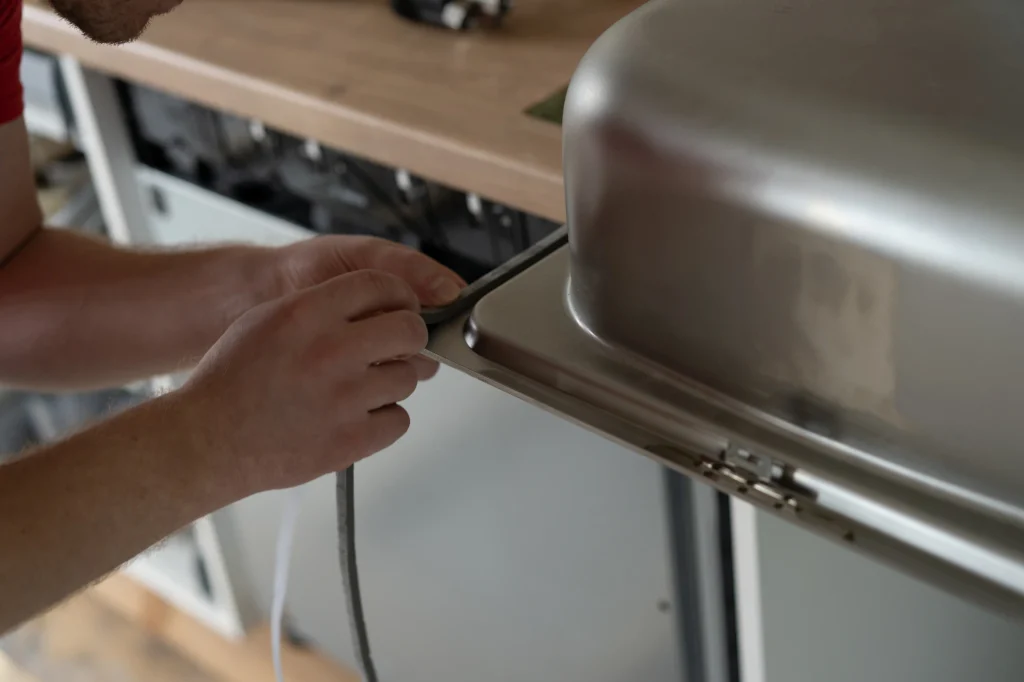
Why Professional Cooking Range Repair Services Matter
Modern ranges include advanced components:
- Burners (gas/electric)
- Oven heating elements
- Thermostats and temperature sensors
- Control boards and digital panels
- Safety systems and gas valves
Attempting DIY repair can worsen problems, pose electrical or gas hazards, or void warranties. Certified technicians ensure:
- Accurate diagnosis of faults
- Safe handling of electrical and gas components
- Use of genuine spare parts
- Restoration of optimal performance
- Energy efficiency and long-lasting appliance lifespan
Common Cooking Range Pain Points in Design District
Cooking ranges are essential appliances in every modern kitchen, helping homeowners prepare meals efficiently and safely. In Design District, where busy households and high-paced lifestyles are common, a malfunctioning cooking range can disrupt daily routines, waste time, and even pose safety hazards. Understanding the most frequent issues and seeking professional solutions ensures smooth kitchen operation, prevents damage, and maintains household safety.
1. Cooking Range Not Igniting
Symptoms: Burners fail to light, continuous clicking sounds occur, and the oven may not heat at all. Homeowners often notice frustration when multiple attempts are needed to start cooking, and gas accumulates in the appliance area.
Causes: Ignition problems usually result from clogged or dirty burner ports, faulty electrodes, gas supply interruptions, or malfunctioning control boards. Food spills and grease buildup can block gas flow, preventing ignition even when the gas supply is normal.
Professional Solution: Certified technicians thoroughly clean the burners, test ignition electrodes, inspect gas lines for leaks or blockages, and replace any defective components. Proper servicing restores reliable ignition and ensures safe operation.
Impact: A cooking range that won’t ignite halts meal preparation, forces reliance on alternative appliances or takeout, and increases the risk of fire or gas-related accidents. Timely professional repair minimizes safety hazards and household disruption.
2. Uneven Cooking or Hotspots
Symptoms: Some burners produce higher heat than others, food cooks unevenly, or the oven takes longer than expected to reach the desired temperature. Homeowners may notice partially cooked meals or inconsistent baking results.
Causes: Hotspots are often caused by faulty heating elements, miscalibrated thermostats, or clogged burner ports. Electric ovens with damaged sensors or control boards may also produce uneven heat.
Professional Solution: Technicians calibrate thermostats, clean burners thoroughly, and replace defective heating elements. Ensuring that all components function correctly provides uniform cooking temperatures across burners and the oven.
Impact: Uneven cooking leads to wasted ingredients, longer preparation times, and household frustration. For busy families in Design District, it can disrupt mealtime schedules and reduce the efficiency of kitchen operations.
3. Gas Smell or Leakage
Symptoms: A distinct smell of gas, hissing sounds, or pilot lights that extinguish unexpectedly often signal a gas leak. These issues are particularly dangerous and require immediate attention.
Causes: Common causes include loose connections, corroded valves, aging appliances, or improper installation. Over time, vibration and thermal expansion can loosen joints, leading to leaks.
Professional Solution: Emergency repair involves shutting off the gas supply immediately, inspecting valves and connections, replacing defective parts, and verifying gas pressure to ensure safe operation.
Impact: Gas leaks pose extreme fire and explosion hazards. Ignoring the problem can result in catastrophic accidents, making professional intervention urgent. Regular inspections help detect minor leaks before they become dangerous.
4. Oven Not Heating
Symptoms: The oven fails to reach target temperature, heating elements remain cold, or error codes appear on digital displays. Cooking tasks such as baking or roasting become unreliable.
Causes: Burned-out heating elements, defective thermostats, wiring issues, or control board failures often prevent proper heating. Sometimes, a combination of electrical and mechanical faults causes the oven to underperform.
Professional Solution: Technicians replace burned-out heating elements, recalibrate thermostats, and repair or replace control boards. Ensuring that the oven heats accurately restores reliability for all types of cooking.
Impact: A malfunctioning oven disrupts meal planning, delays cooking, and increases stress for busy households. In Design District homes where residents often have tight schedules, oven downtime can be particularly frustrating.
5. Flame Goes Out After Ignition
Symptoms: The burner ignites briefly but the flame extinguishes quickly, and the stove struggles to maintain heat. This can occur intermittently or every time the burner is used.
Causes: Flame failure can result from a faulty thermocouple, misaligned burners, or incorrect gas pressure. These issues prevent the gas from burning consistently and safely.
Professional Solution: Technicians replace defective thermocouples, adjust gas pressure, and realign burners. This ensures a steady flame and safe, uninterrupted cooking.
Impact: Repeated flame failure wastes food and energy while creating potential safety risks. Addressing the issue promptly ensures reliable meal preparation and minimizes hazards.
6. Control Panel Malfunctions
Symptoms: Oven buttons become unresponsive, digital displays flicker, or timers fail to operate. Modern ranges rely heavily on electronic controls for precise cooking, making these issues more than just a convenience problem.
Causes: Voltage fluctuations, damaged wiring, or faulty control boards are the main culprits. Moisture or food spills can also interfere with sensitive electronics.
Professional Solution: Technicians perform diagnostics, repair or replace faulty control boards, and secure all electrical connections. Using genuine parts ensures long-term reliability.
Impact: Malfunctioning controls prevent precise cooking, making it difficult to follow recipes or maintain desired temperatures. Homeowners often need professional assistance to restore full functionality.
7. Electrical Sparks or Short Circuits
Symptoms: Sparks appear when burners are turned on, circuit breakers trip frequently, or the oven powers off unexpectedly. These are serious warning signs of electrical faults.
Causes: Worn insulation, damaged switches, faulty heating elements, or improper grounding can cause sparks or shorts. Over time, these issues worsen if left untreated.
Professional Solution: Certified technicians inspect wiring, replace damaged components, and verify proper grounding. This ensures safe operation and prevents fire hazards.
Impact: Electrical problems can damage the appliance, increase the risk of fire, and pose dangers to household members. Immediate repair is critical to protect both people and property.
Preventive Maintenance Tips
- Clean burners and oven regularly
- Inspect gas lines for leaks
- Ensure proper airflow and ventilation
- Avoid overloading oven racks
- Schedule annual professional inspections
Cooking Range Error Codes Explained – Design District Homeowners Guide
Modern cooking ranges are equipped with advanced electronic diagnostic systems that alert homeowners to faults before they escalate into costly or dangerous problems. These alerts often appear as error codes on your range’s display panel. Understanding what these codes mean, what causes them, and how professionals address them is crucial for safety, efficiency, and long-term appliance reliability.
For homeowners in Design District, where busy kitchens are a norm, recognizing and responding to error codes promptly ensures uninterrupted cooking, reduces the risk of accidents, and preserves the lifespan of your appliance.
E1 – Ignition Failure
Meaning: The E1 code indicates that burners fail to ignite.
Causes:
Ignition failure is typically caused by blocked burners, faulty electrodes, interruptions in the gas supply, or malfunctioning control boards. Food residue or grease can block the tiny ports on burners, preventing the gas from igniting. Electrical faults in the ignition system may also prevent sparks from firing consistently.
Symptoms:
Homeowners may notice continuous clicking sounds as the ignition system attempts to spark, burners remaining unlit, or the oven failing to heat. In some cases, the smell of unburned gas may be detected, which is a serious safety warning.
Solution:
Certified technicians clean clogged burners, test ignition electrodes, inspect gas lines for leaks or blockages, and replace any defective parts. This ensures safe and reliable ignition. Attempting DIY repairs without proper knowledge can increase gas leak risk or damage electrical components.
Impact:
A cooking range that fails to ignite can completely disrupt meal preparation. Accumulated unburned gas also creates a significant fire and explosion hazard. Prompt professional repair not only restores functionality but also ensures household safety.
E2 – Temperature Sensor Fault
Meaning: The E2 code signals that the oven or stovetop temperature sensor is malfunctioning.
Causes:
Temperature sensor faults can result from damaged sensors, loose or corroded wiring, calibration errors, or issues with the control board. Sensors are critical in maintaining correct heating levels, so any fault can severely affect cooking performance.
Symptoms:
Food may cook unevenly, the oven temperature may fluctuate unexpectedly, or the appliance may fail to reach the desired heat level. Homeowners often notice that baked goods do not rise properly or that stovetop simmering is inconsistent.
Solution:
Technicians test the sensor’s electrical continuity, recalibrate it if necessary, or replace it entirely. They also check the wiring and associated control board connections to ensure accurate temperature regulation.
Impact:
Faulty temperature sensors lead to wasted ingredients, longer cooking times, and unpredictable meal outcomes. Repeatedly using the range with a malfunctioning sensor may also strain other components, increasing future repair costs.
E3 – Gas Valve Error
Meaning: E3 indicates a malfunction in the gas supply or the gas valve.
Causes:
This error may be caused by loose connections, faulty regulators, or blocked gas lines. Gas pressure inconsistencies can prevent burners from igniting or maintaining a steady flame, and aging components may fail over time.
Symptoms:
Common signs include hissing sounds, intermittent burner operation, and pilot lights going out unexpectedly. Users may also notice weak flames or the smell of gas in the kitchen area.
Solution:
Gas valve errors require emergency attention. Technicians shut off the gas supply, inspect all valves and connections, replace defective components, and test gas pressure to ensure safe operation. Never attempt to operate the range with a suspected gas valve issue.
Impact:
Gas valve errors pose immediate fire and explosion risks. Quick professional intervention is essential to prevent accidents and ensure the safety of your household.
E4 – Control Board Malfunction
Meaning: The E4 code signals that the electronic control board has malfunctioned.
Causes:
Voltage fluctuations, short circuits, or component failure can damage the control board. Spillages, moisture, or power surges may also contribute to malfunctions.
Symptoms:
Signs include unresponsive oven buttons, flickering digital displays, and persistent error codes. In some cases, cooking cycles may start incorrectly or stop unexpectedly.
Solution:
Technicians perform diagnostics to identify the root cause, replace faulty control boards, and secure all wiring. Using manufacturer-approved parts ensures that the range operates safely and reliably.
Impact:
A malfunctioning control board affects precise cooking and can prevent the use of timers or preset modes. Homeowners may experience frequent interruptions or inconsistent heating, making professional repair essential.
E5 – Oven Overheating
Meaning: E5 indicates that the oven has detected excessive internal temperature.
Causes:
Overheating is often caused by a faulty thermostat, blocked airflow, a defective heating element, or a malfunctioning thermal fuse. Restricted air circulation in the oven cavity can also trigger this error.
Symptoms:
The oven may shut off automatically, emit burnt odors, or overcook and burn food. In some cases, the exterior of the appliance may feel unusually hot, indicating a severe internal temperature rise.
Solution:
Technicians inspect the thermostat, thermal fuses, and heating elements. They clear any airflow obstructions and replace defective components. Ensuring proper ventilation and functional safety features prevents overheating.
Impact:
Oven overheating is a serious safety concern. It can cause fire hazards, damage meals, and shorten the appliance’s lifespan. Addressing overheating errors promptly prevents catastrophic failures and keeps your kitchen safe.
Why Homeowners Should Take Error Codes Seriously
Error codes are not merely technical notifications—they are early warning signals designed to protect both your cooking range and your home. Ignoring these alerts can lead to:
- Complete appliance failure
- Increased electricity consumption
- Fire hazards and safety risks
- Expensive repairs due to secondary damage
- Wasted ingredients and disrupted cooking routines
For Design District homeowners, timely response to error codes ensures uninterrupted kitchen performance and peace of mind.
Why Choose Our Cooking Range Repair Services in Design District
1. Certified Technicians for Safe & Accurate Repairs
Our experts are trained to handle advanced cooking ranges, from gas to digital models. Safe repair and precise diagnosis are guaranteed.
2. Genuine Parts for Long-Lasting Performance
We only use manufacturer-approved components for durability and reliability, preventing frequent breakdowns.
3. Fast, Reliable, and Convenient Service
Same-day or emergency service ensures minimal disruption. From minor repairs to major replacements, your kitchen is back in operation quickly.

FAQs – Cooking Range Repair Design District
Q1: How long does repair take?
Minor issues, such as burner cleaning or thermostat adjustments, usually take only a few hours to complete. Major repairs, like control board replacements or gas system fixes, may require 1–2 days depending on parts availability. Certified technicians ensure timely service while maintaining quality and safety. Scheduling early can help avoid long delays, especially during busy periods.
Q2: Can I repair my range myself?
Routine cleaning, such as removing grease or unclogging burners, is safe for homeowners to handle. However, electrical, gas, or electronic repairs involve risks of shock, fire, or appliance damage. Certified professionals have the tools and training to safely diagnose and repair complex faults. DIY attempts on sensitive components can void warranties and lead to costly mistakes.
Q3: Are genuine parts used?
Yes. All replacement components are manufacturer-approved to ensure compatibility, safety, and durability. Using genuine parts prevents frequent breakdowns and maintains optimal performance. Technicians source parts that meet the original specifications of your cooking range. This guarantees long-term reliability and preserves any existing warranty.
Q4: Is emergency service available?
Yes, many cooking range repair services provide same-day or after-hours assistance. Emergency repair is ideal for issues like gas leaks, ignition failures, or electrical faults. Prompt intervention prevents hazards and reduces downtime. Most services in Design District prioritize urgent cases for household safety and convenience.
Q5: How can I prevent recurring issues?
Regular maintenance is key to avoiding repeated problems. Clean burners, vents, and control panels frequently to prevent blockages or damage. Inspect gas and electrical components periodically for signs of wear or corrosion. Timely professional servicing also detects minor faults before they escalate into major repairs.
Restore Your Kitchen’s Efficiency with Expert Cooking Range Repair in Design District
A malfunctioning cooking range can disrupt your daily routine, ruin meals, and even pose serious safety risks. Whether your burners won’t ignite, the oven is not heating evenly, or error codes keep appearing, timely intervention is critical to prevent further damage. Ignoring these issues can lead to increased electricity bills, damaged appliances, and potentially hazardous situations like gas leaks or electrical failures.
Our certified cooking range repair Design District services provide fast, reliable, and professional solutions for all types of cooking ranges—gas, electric, and hybrid models. We offer:
- Accurate fault diagnosis using advanced diagnostic tools
- Safe handling of electrical and gas components
- Replacement with genuine, manufacturer-approved parts
- Preventive maintenance to extend appliance lifespan
- Same-day or emergency service for minimal disruption
Don’t let a faulty cooking range interfere with your household or business operations. Early repair not only saves money but also ensures consistent, safe cooking performance.
Contact our expert technicians today to schedule your repair or maintenance service. Restore your kitchen’s full functionality, enjoy peace of mind, and cook with confidence—your safe, efficient, and reliable cooking range is just a call away!