
Modern kitchens in Karama rely heavily on high-quality cooking ranges to prepare meals efficiently, safely, and consistently. Whether for households or small restaurants, a malfunctioning cooking range can disrupt daily routines, increase energy costs, and reduce productivity. Understanding common issues, error codes, troubleshooting methods, and the benefits of professional repair ensures your appliance remains safe and reliable.
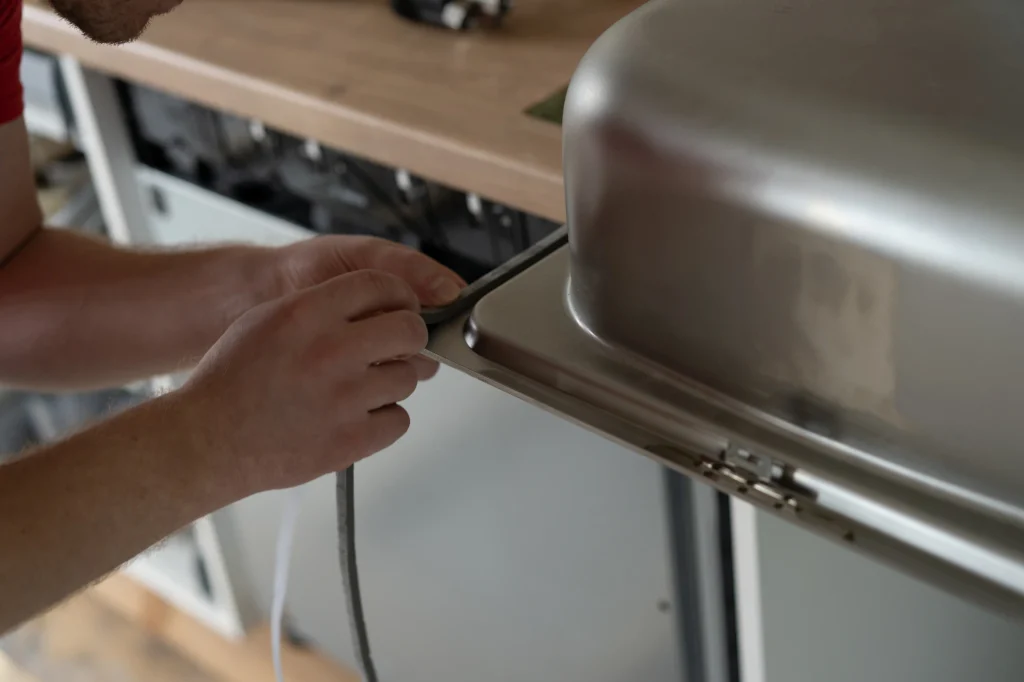
Certified Cooking Range Repair Karama services provide fast, reliable solutions that extend the lifespan of your appliances while maintaining safety standards. From burners not heating properly to control board failures, knowing the signs and solutions helps residents take timely action, saving both time and money.
Repair Cost Insights in Karama
- Minor Repairs: Low-cost fixes such as cleaning burners, replacing fuses, or adjusting door seals.
- Parts Replacement: Medium-cost repairs include thermostats, igniters, fan motors, and small electronic modules.
- Major System Failures: High-cost repairs like full control board replacement or oven heater element replacement.
Always request a detailed estimate and professional advice to determine whether repair or replacement is the most cost-effective solution.
Common Cooking Range Pain Points in Karama
Even premium cooking ranges, whether in homes or commercial kitchens in Karama, experience wear and tear over time. Frequent use, exposure to heat, and occasional mishandling can gradually reduce efficiency, cause malfunctions, or even pose safety hazards. Recognizing common problems early allows homeowners and business operators to schedule professional Cooking Range Repair Karama services before minor issues escalate into costly breakdowns. Below are the most prevalent pain points and their practical implications:
1. Burners Not Heating Properly
One of the most common complaints is burners that fail to generate adequate heat or heat unevenly. This problem affects both gas and electric ranges.
Causes:
- Faulty heating elements or malfunctioning gas valves.
- Blocked or dirty burners preventing proper ignition.
- Ignition system failure due to worn electrodes or spark defects.
Impact:
Inefficient burners increase cooking times, compromise the quality of dishes, and lead to higher energy consumption. In commercial kitchens, delays in cooking can disrupt workflow, cause order backlogs, and reduce customer satisfaction. For home kitchens, it creates frustration, especially during busy meal preparation times.
Professional Solution:
Certified technicians inspect each burner carefully, clean accumulated debris, replace faulty components, and ensure a stable gas or electric supply. Calibrated burners guarantee even heat distribution, improve efficiency, and reduce energy waste, ensuring meals are cooked safely and on time.
2. Oven Not Reaching Desired Temperature
An oven that cannot reach or maintain the correct temperature is another frequent issue. Even if it appears to function normally, minor variations in temperature can drastically affect cooking outcomes.
Causes:
- Malfunctioning thermostats failing to regulate heat properly.
- Broken or worn heating elements.
- Control board issues affecting temperature control.
Impact:
Undercooked or overcooked dishes compromise taste, texture, and presentation. Repeated attempts to adjust settings can overwork appliances, increase electricity bills, and shorten the lifespan of internal components. In commercial kitchens, consistency is key, and temperature issues can impact customer trust.
Professional Solution:
Technicians calibrate thermostats, test and replace defective heating elements, and inspect control boards to restore precise temperature regulation. This ensures consistent cooking results, reduces energy usage, and prevents further damage to the oven.
3. Ignition or Spark Failure
Appliances that fail to ignite or produce a spark disrupt the entire cooking process. Ignition failure can be sudden, leaving burners or ovens completely inoperative.
Causes:
- Worn-out igniters or spark electrodes.
- Gas valve blockages restricting fuel flow.
- Electrical faults in the ignition circuit.
Impact:
Failure to ignite delays meal preparation, increases frustration, and may lead to repeated attempts that exacerbate damage. In commercial setups, ignition failure can affect multiple cooking stations, creating operational inefficiencies and potential financial loss.
Professional Solution:
Experts clean, repair, or replace faulty ignition components, verify electrical connections, and ensure proper gas flow. This restores reliable startup performance for burners and ovens and prevents recurring failures.
4. Gas Smell or Leakage
A persistent gas smell is a serious warning sign that requires immediate attention. Gas leaks pose significant health and safety risks, including fire hazards and carbon monoxide exposure.
Causes:
- Loose gas connections.
- Damaged or corroded gas valves or pipes.
- Malfunctioning safety sensors.
Impact:
Gas leaks threaten household safety and property. Ignoring them can result in fire hazards, explosions, or serious health risks. Even minor leaks affect indoor air quality and create stress for residents or staff.
Professional Solution:
Certified technicians perform leak detection, tighten or replace faulty components, and test sensors. This ensures the cooking range operates safely, providing peace of mind while preventing accidents.
5. Oven Door or Seal Problems
Oven doors that fail to seal properly lead to heat loss, uneven cooking, and increased energy consumption. Even a minor gap can reduce oven efficiency over time.
Causes:
- Worn or cracked door gaskets.
- Loose hinges or misaligned door frames.
- Damaged door latch mechanisms.
Impact:
Heat escaping during cooking results in longer cooking times, unevenly cooked dishes, and higher energy bills. Over time, internal components such as heating elements or sensors may suffer from repeated exposure to fluctuating temperatures.
Professional Solution:
Technicians replace worn gaskets, adjust hinges, and ensure proper alignment and sealing. Correcting these issues improves energy efficiency, maintains cooking consistency, and prevents additional wear on the appliance.
6. Strange Noises
Unusual sounds from the cooking range, such as rattling, grinding, or buzzing, often indicate internal mechanical or electrical issues.
Causes:
- Loose internal components.
- Fan motor wear.
- Vibrations caused by uneven gas or electrical supply.
Impact:
Noisy operation disrupts home or commercial environments and may signal worsening mechanical faults. Ignoring these noises can lead to complete appliance failure, resulting in costly repairs or replacement.
Professional Solution:
Technicians inspect moving parts, tighten loose components, and replace worn-out elements. Timely intervention restores quiet operation and prevents minor problems from escalating.
7. Uneven Cooking or Baking
Uneven heat distribution is a persistent problem that affects the quality of food and can frustrate even experienced cooks.
Causes:
- Malfunctioning heating elements.
- Blocked airflow inside ovens.
- Faulty thermostats or control boards.
Impact:
Uneven cooking leads to partially cooked or burnt food, wasting ingredients and affecting presentation. In commercial kitchens, inconsistent results may harm reputation and reduce customer satisfaction.
Professional Solution:
Certified experts clean blocked airflow channels, replace defective heating components, and calibrate thermostats or control boards. This ensures consistent, even cooking and baking results every time.
Troubleshooting Tips for Cooking Range in Karama
Before calling a professional, homeowners can perform basic checks:
- Ensure the appliance is properly connected to power or gas supply.
- Clean burners, igniters, and oven cavities.
- Check for error codes and refer to the user manual.
- Avoid overloading oven racks or using incompatible cookware.
While these steps help identify minor issues, mechanical, electrical, or gas-related repairs should always be handled by certified technicians to ensure safety and preserve warranty.
Common Cooking Range Error Codes in Karama
Modern cooking ranges are equipped with advanced digital diagnostic systems that display error codes whenever a malfunction occurs. These error codes act as early warnings, guiding homeowners and technicians to the root of the problem. For residents and businesses in Karama, understanding these codes is essential for preventing minor issues from escalating into costly repairs, ensuring appliance longevity, and maintaining safety in the kitchen.
Ignoring error codes can lead to appliance failure, increased energy consumption, uneven cooking, or even serious hazards such as gas leaks or electrical faults. Certified Cooking Range Repair Karama professionals are trained to interpret these codes, diagnose faults accurately, and implement durable solutions using genuine parts.
Below is a detailed guide to the most common cooking range error codes, including their meanings, causes, impacts, and professional solutions:
E1 – Burner Ignition Error
Meaning:
This code indicates that one or more gas burners have failed to ignite. The igniter did not spark, preventing the appliance from lighting the gas.
Common Causes:
- Worn-out or damaged igniters.
- Electrical faults in the ignition circuit.
- Blocked gas valves or clogged burner ports.
- Loose wiring or intermittent connections.
Impact on Users:
A burner that fails to ignite disrupts meal preparation, forcing homeowners or chefs to rely on other burners or alternative cooking methods. In commercial kitchens, this can delay orders, disrupt workflow, and affect customer satisfaction. Continuous attempts to ignite the burner may further damage the ignition system or electrical components.
Professional Solution:
Certified technicians inspect the ignition system, replace worn igniters, repair faulty wiring, and clean or replace blocked gas valves. Gas flow is verified to ensure safe and reliable burner operation. Proper ignition ensures cooking efficiency and prevents unnecessary repair costs.
E2 – Oven Temperature Error
Meaning:
This error occurs when the oven temperature deviates significantly from the set value, either overheating or underheating.
Common Causes:
- Malfunctioning thermostat failing to detect accurate temperature.
- Broken or worn heating elements.
- Control board issues affecting temperature regulation.
- Limescale or debris affecting thermal sensors.
Impact on Users:
Inconsistent oven temperature can result in undercooked or overcooked food. Homeowners may waste ingredients and energy trying to adjust cooking times manually. In professional settings, repeated errors compromise dish quality, affecting reputation and workflow efficiency.
Professional Solution:
Technicians calibrate the thermostat, inspect and replace faulty heating elements, and check the control board for irregular signals. After repair, ovens maintain precise temperature, ensuring consistent cooking results and energy efficiency.
E3 – Gas Leak Sensor Alert
Meaning:
This code signals the detection of a gas leak, activating safety protocols to prevent fire or explosion hazards.
Common Causes:
- Damaged or corroded gas pipes.
- Loose connections in gas supply lines.
- Malfunctioning gas sensors or false alarms due to electrical faults.
Impact on Users:
Gas leaks are extremely dangerous. Ignoring a gas sensor alert can lead to fire hazards, explosions, carbon monoxide exposure, and severe property damage. The code triggers immediate shutdown of the range, interrupting cooking operations.
Professional Solution:
Certified technicians perform leak detection using specialized tools, repair damaged gas lines, tighten connections, and replace faulty sensors. Safety systems are thoroughly tested before returning the range to service. This not only restores functionality but also ensures household or commercial kitchen safety.
E4 – Fan or Airflow Error
Meaning:
E4 indicates a malfunction in the oven fan or airflow system. Proper airflow is essential for uniform cooking and safe appliance operation.
Common Causes:
- Fan motor failure due to wear and tear.
- Blocked or obstructed airflow ducts.
- Loose fan blades or debris trapped inside the oven cavity.
Impact on Users:
Insufficient airflow results in uneven baking or cooking, extended cooking times, and increased energy consumption. It can also cause the appliance to overheat, damaging internal components over time.
Professional Solution:
Technicians clean blocked ducts, inspect fan motors, replace worn or defective motors, and ensure proper airflow. Fans are tested to confirm consistent rotation and cooling. Restoring airflow improves cooking quality, prevents overheating, and prolongs appliance lifespan.
CE – Control Board Error
Meaning:
A CE (Control Error) code signals a fault in the electronic control system of the cooking range. It may affect multiple functions, including burners, oven heating, or sensors.
Common Causes:
- Voltage fluctuations or power surges.
- Component failure due to age, moisture, or overheating.
- Moisture ingress or corrosion on electronic circuits.
- Wiring faults or short circuits within the control system.
Impact on Users:
Control board errors can render the cooking range partially or completely inoperative. Burners may fail to ignite, ovens may not heat properly, and error codes can recur if ignored. This disrupts household routines or commercial operations and may increase repair costs if minor electrical faults escalate.
Professional Solution:
Certified technicians test the control board and all electronic circuits. Damaged boards are replaced with genuine components, and wiring connections are verified. After replacement, the range is tested thoroughly to ensure reliable operation across all functions.
Additional Common Error Codes
While E1 to CE are the most frequent, modern cooking ranges may also display:
- E5 – Oven Door Error: The door is not properly closed or the latch sensor is faulty. Prevents operation to ensure safety.
- E6 – Temperature Sensor Error: Sensor failure can cause inaccurate readings, leading to overheating or underheating.
- PF – Power Failure: Voltage interruption or unstable supply detected, causing abrupt cycle stoppages.
- UE / Load Imbalance: Uneven burner or oven load detected in commercial cooking ranges.
Professional Approach:
Each error requires accurate diagnosis using specialized tools. Certified Cooking Range Repair Karama technicians isolate the fault, replace defective components, recalibrate sensors, and verify proper function before returning the appliance to service.
Importance of Prompt Action
Ignoring error codes can have severe consequences:
- Increased Repair Costs: Minor faults may escalate to full component failure.
- Safety Hazards: Gas leaks, overheating, or electrical faults pose fire and health risks.
- Energy Inefficiency: Malfunctioning burners or ovens waste electricity or gas.
- Reduced Appliance Lifespan: Continuous operation under faulty conditions accelerates wear and tear.
By responding promptly to error codes, homeowners and commercial operators in Karama can prevent costly repairs, maintain kitchen efficiency, and ensure safe operation.
Preventive Measures
To reduce error occurrences:
- Clean burners, vents, and airflow channels regularly.
- Avoid overloading ovens or applying excessive heat stress.
- Ensure stable power supply with surge protection.
- Schedule professional annual inspections to test control boards, sensors, and mechanical components.

Why Choose Professional Cooking Range Repair in Karama
- Expert Diagnosis: Technicians use advanced tools to identify faults quickly and accurately.
- Genuine Parts: Repairs use manufacturer-approved components, ensuring durability and reliability.
- Safety Compliance: Professionals follow strict protocols for gas and electrical safety.
- Preventive Maintenance: Certified services offer advice and inspections to prevent future breakdowns.
- Time and Cost Efficiency: Correct repairs reduce downtime, prevent recurring issues, and save on energy costs.
Frequently Asked Questions (FAQs)
Q1: How long does cooking range repair take?
Most minor repairs take 1–2 hours, while major issues like control board or oven element replacement may require 3–5 hours, depending on part availability.
Q2: Can I continue using my cooking range with an error code?
No. Operating with error codes can worsen faults, damage components, and pose safety hazards. Professional inspection is essential.
Q3: Are warranty services provided?
Yes. Certified repair services often include 30-day to 12-month warranties covering parts and labor.
Q4: Can I perform repairs myself?
DIY is safe only for cleaning or basic maintenance. Gas or electrical faults require certified technicians to avoid safety risks.
Q5: How can I prevent future breakdowns?
Regular maintenance, prompt attention to unusual noises or error codes, and scheduled professional inspections prolong appliance life.
Call to Action
Don’t let a malfunctioning cooking range disrupt your kitchen or increase energy bills. Contact certified Cooking Range Repair Karama professionals today for accurate diagnostics, genuine parts replacement, and fast, reliable service. Restore safety, efficiency, and consistent cooking performance to your home or business kitchen.